
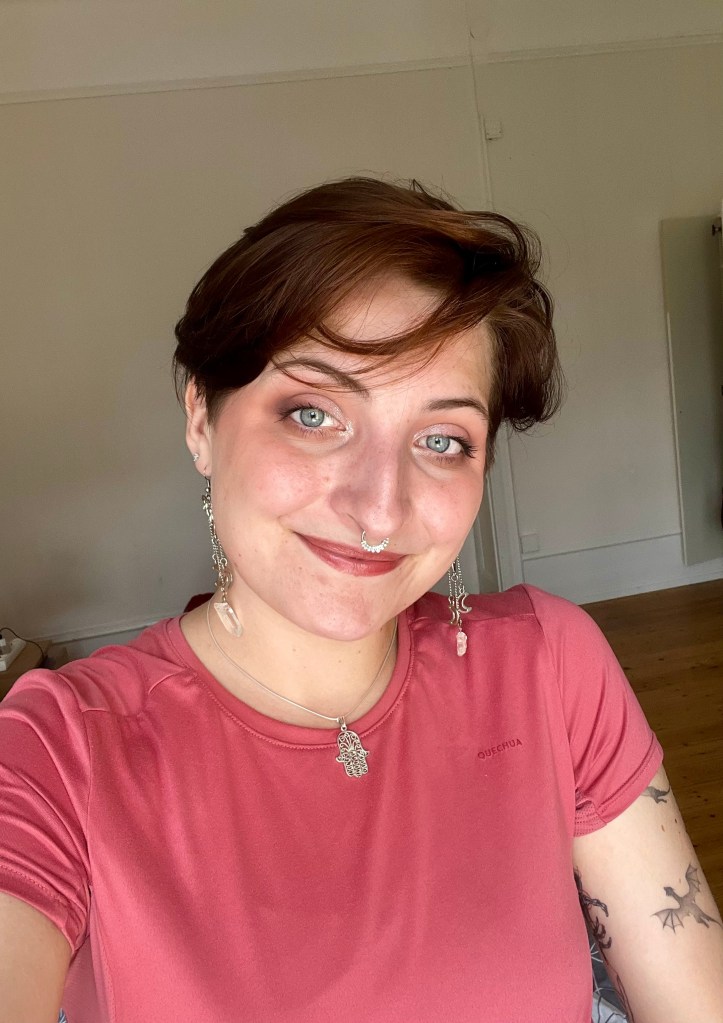
In Spring 2023, I studied abroad through Iowa State’s LAS (Liberal Arts and Sciences) program to complete my Spanish degree. This full-immersion program was based in Caceres, Spain, where I attended courses at La Universidad de Extremadura. Our courses were with only other ISU students due to course content requirements to obtain the specific credits. However, we were taught by Spanish professors from the University and lived with host families in the historic city center.
A large part of this program was traveling around various parts of Spain, specifically in the southern region of Andalucia. Most tourists limit themselves to Madrid, Barcelona, and Ibiza. Still, by avoiding Andalucia and other cities such as Caceres, people miss out on these regions’ deep historical and cultural wonders. This article will explore Caceres, Merida, Toledo, Sevilla, Granada, and Cordoba.
Caceres
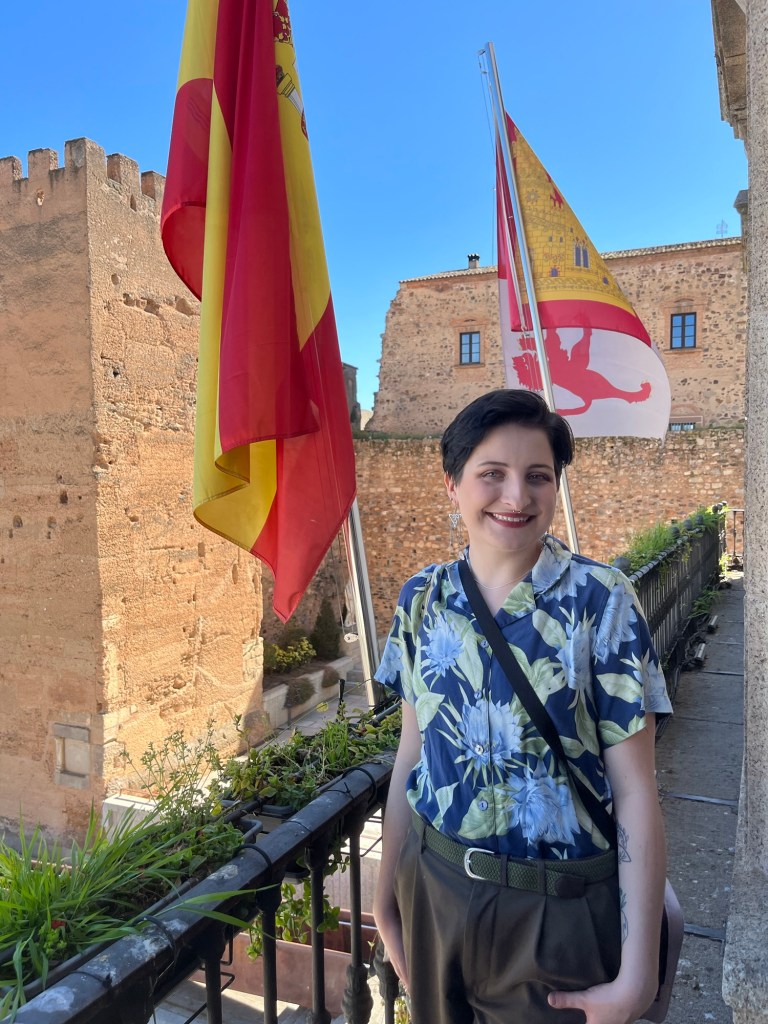
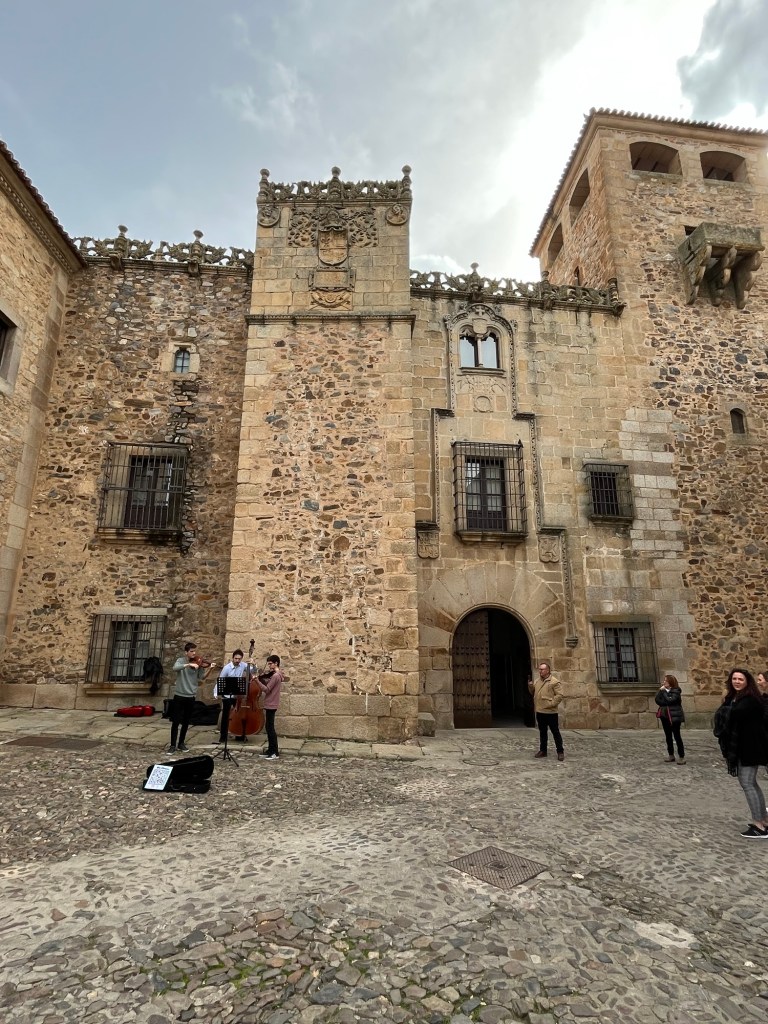
Beginning with Caceres, This is where I spent the majority of my time and lived for the semester. I lived with a lovely host mom, who taught me Spanish recipes and suggested what to see and do in Caceres. I distinctly remember wandering through the Old Town and feeling like I had seen these buildings before. Later, I discovered that Caceres serves as King’s Landing as a background for Game of Thrones and House of the Dragon scenes. As a massive fan of this series, I immediately wandered around with photos from the show, and to my surprise, the structures lined up perfectly. At that moment, I knew that Caceres had more in store than met the eye.
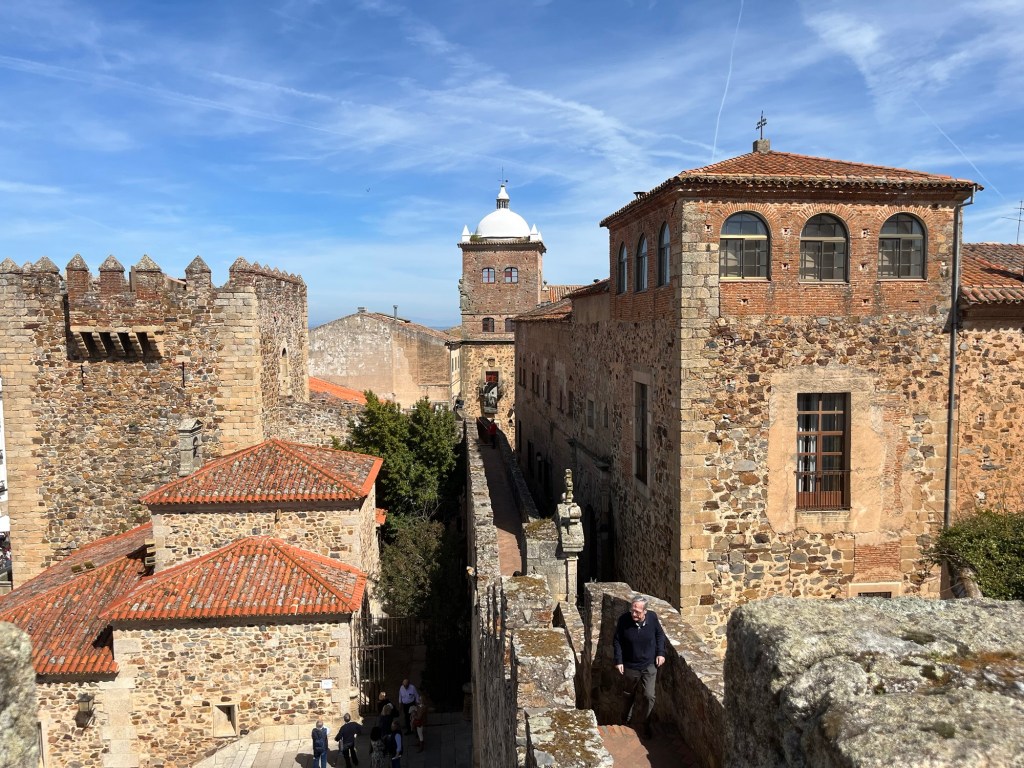
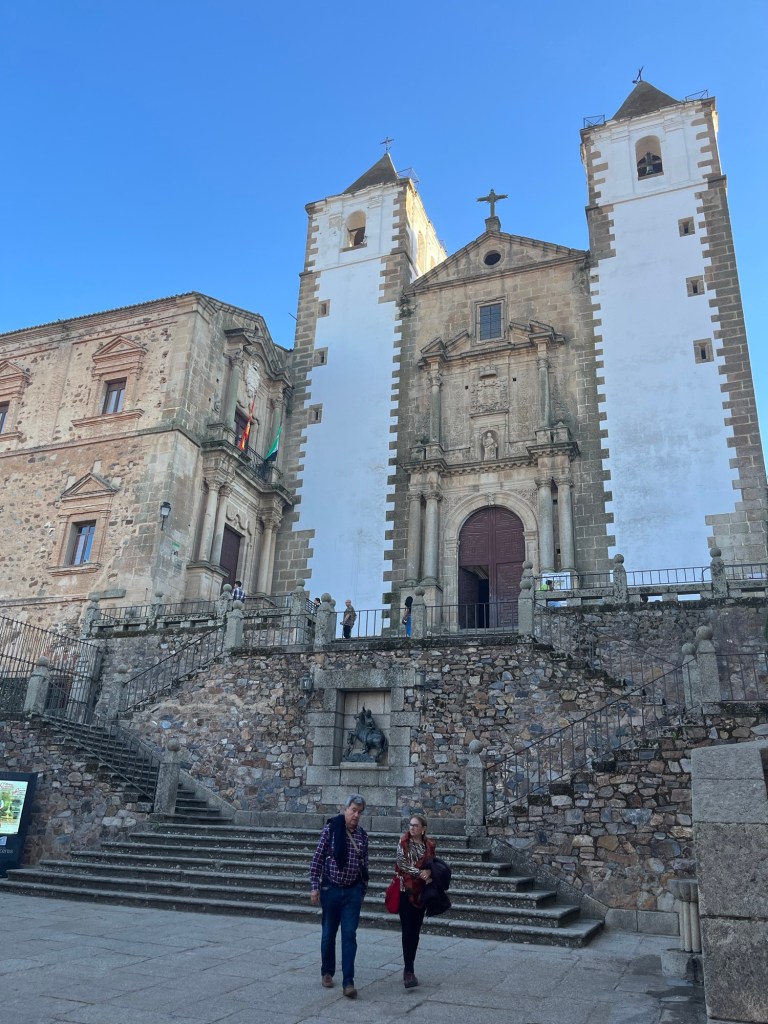
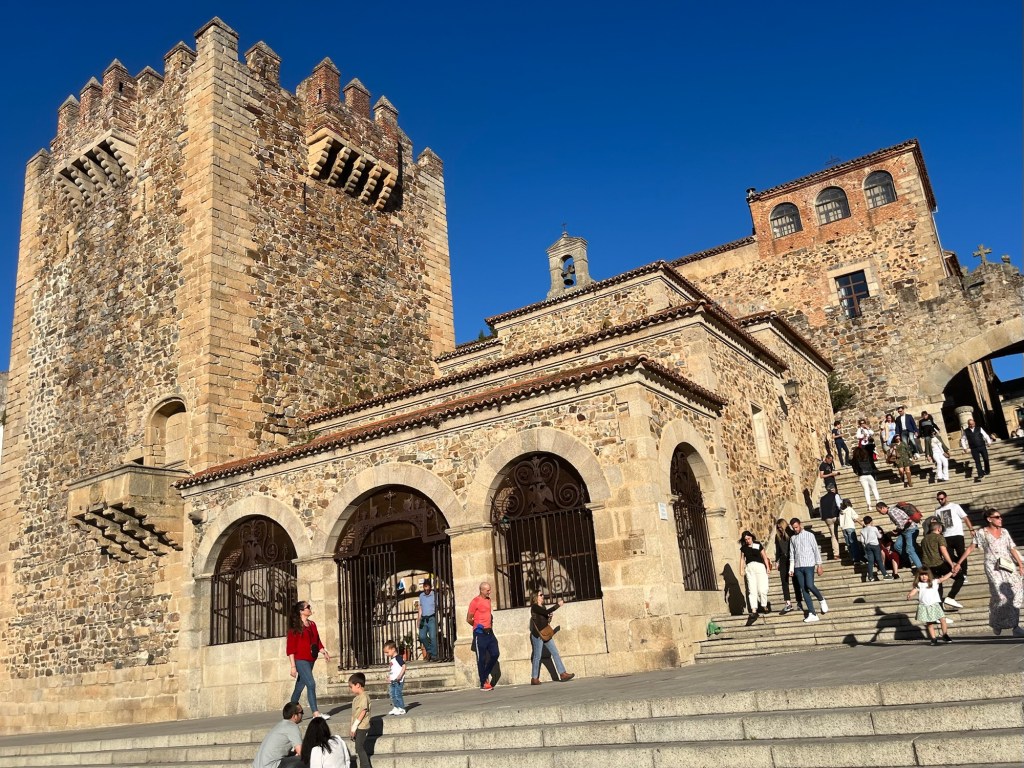
The highlights of the Old Town are the towers and cathedrals, which you can climb to view a panorama of the city, specifically where medieval meets modern. The main church is known for its white structure and brown accents, and in House of the Dragon serves as the entrance to the city’s temple. The square before this Cathedral is commonly used for events, speeches, concerts, and the famous “fish-throwing” mob scene in season 2 of House of the Dragon.
Outside of the Old Town, Caceres offers many local restaurants, shopping, and public parks, one of which has stunning gardens and walking paths. Additionally, the city offers a bustling nightlife for the large student population. Although I am not built for the Spain clubbing scene, Caceres’ smaller population means more local and smaller-scale sites to party, which is great for my fellow introverts. My favorite spot was in the older part of Caceres, where you had to travel down to the building’s cellars to access the bar in the open-air square. Overall, Caceres is an affordable, stunning local city to visit in the underappreciated region of Extremadura.
Merida
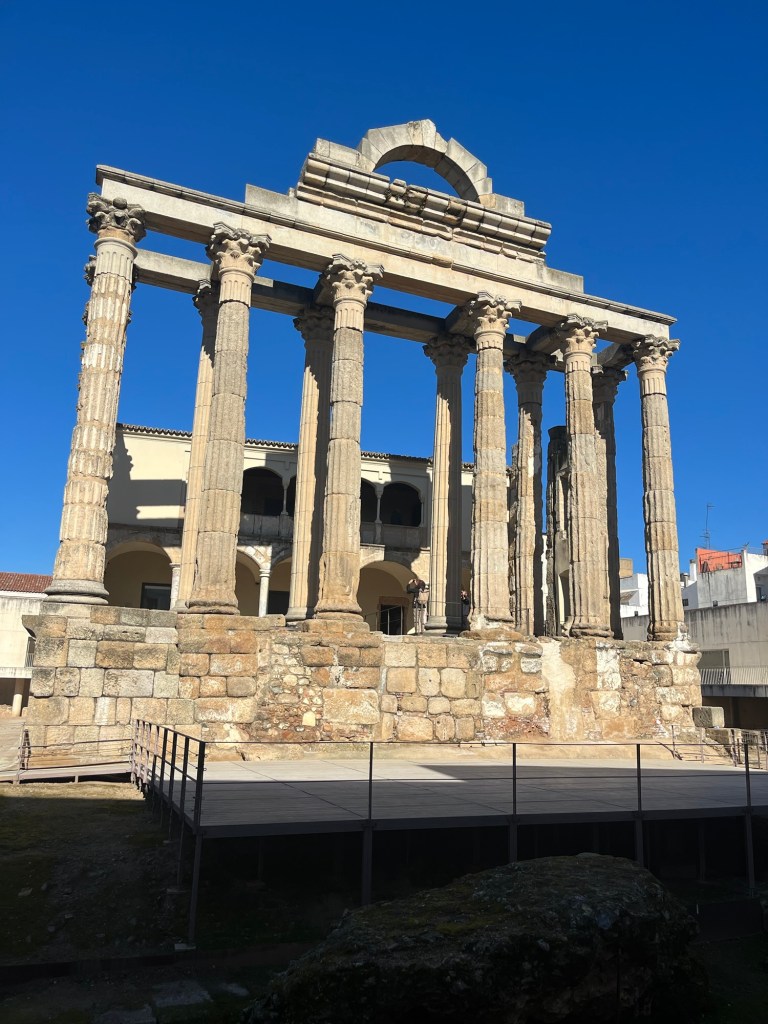
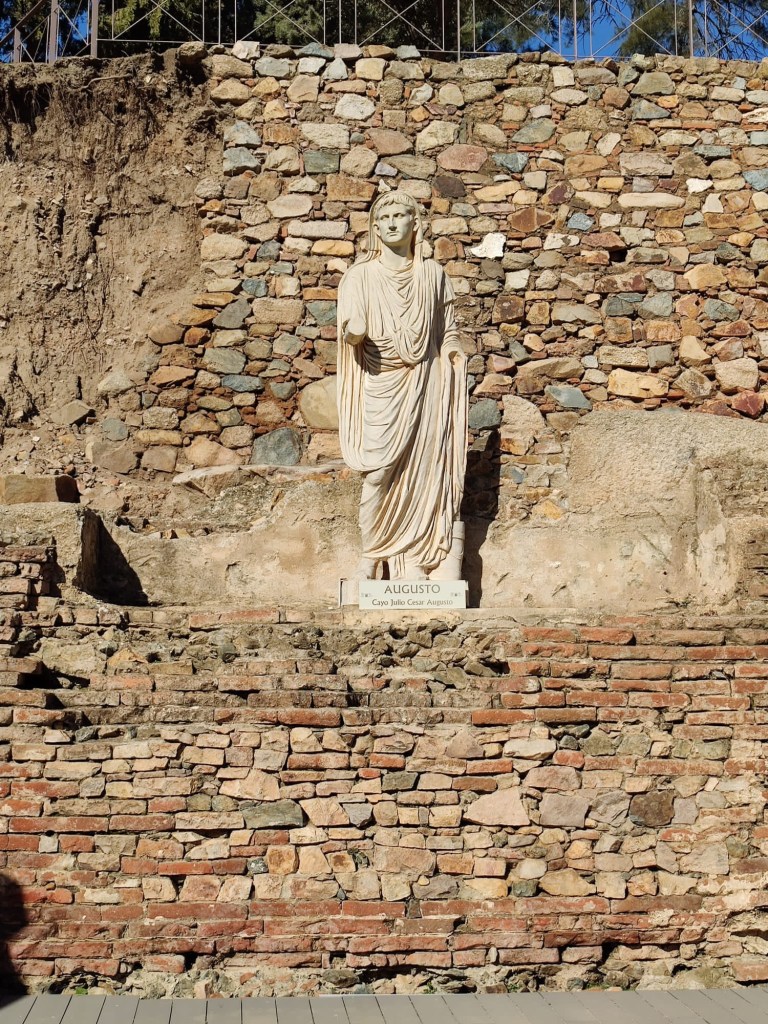
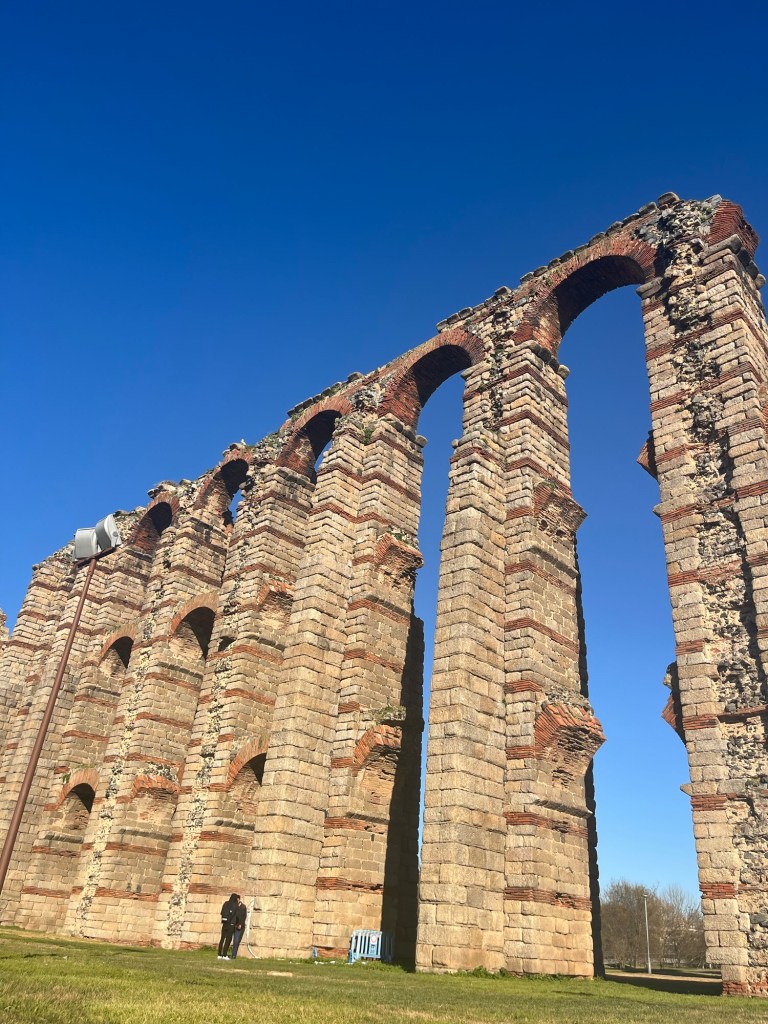
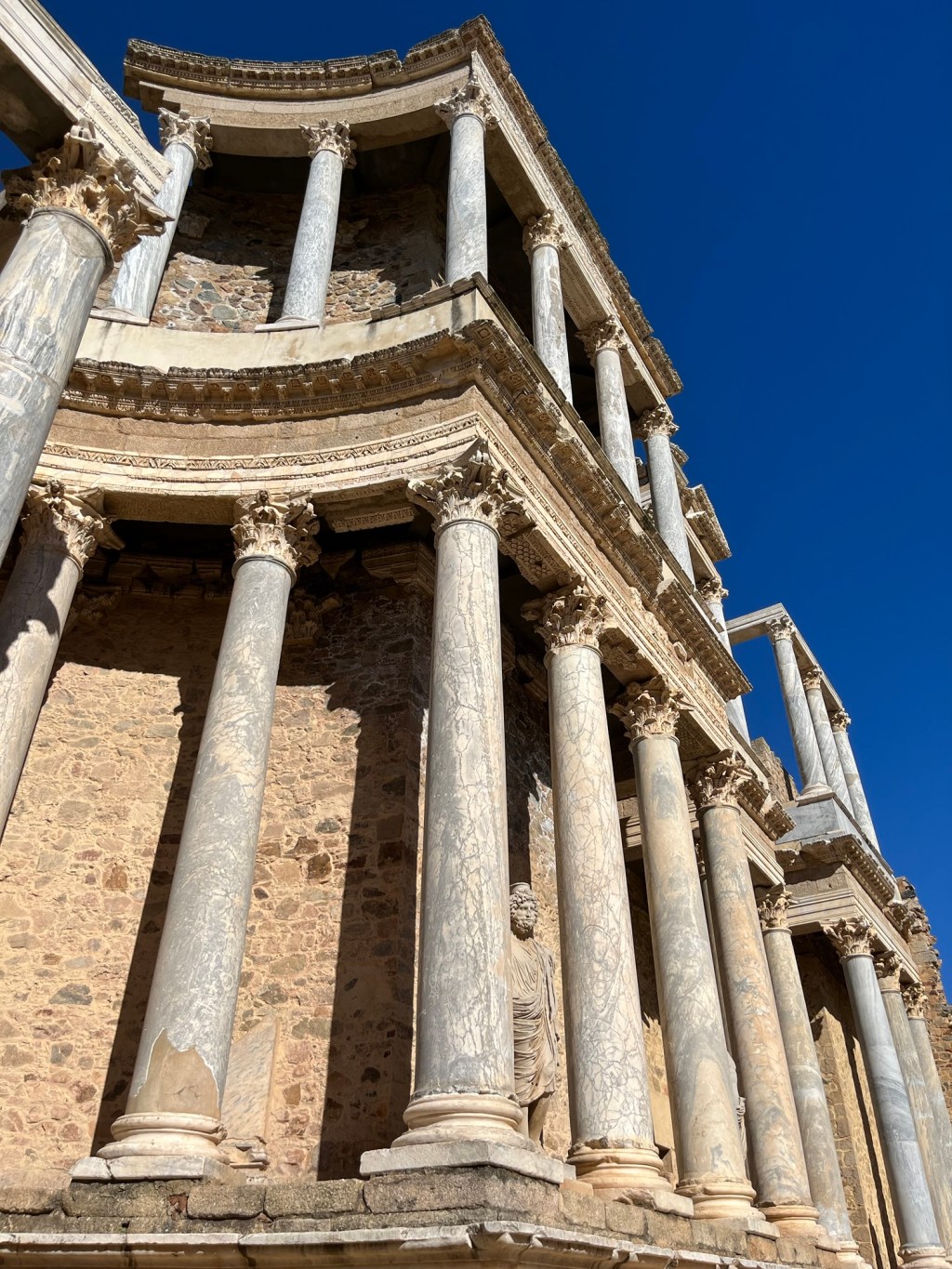
Continuing to Merida, this town lies just 30 minutes south of Caceres and was the first trip we took with fellow Spanish classmates. The ruins host an ancient theatre, which still hosts concerts and plays on stage today. As the Romans shifted away from theatre productions, the Spanish decided to preserve the Merida site for historical and cultural significance. Pristinely preserved tilework, architecture, and archeological artifacts can be found in the sites in Merida. Additionally, you can purchase hand-made pottery and sculptures in Roman styling, all signed by the local sculptors. Merida is the stunning and more affordable alternative to Rome, possessing a unique mixture of Roman and Spanish culture and history.

Toledo
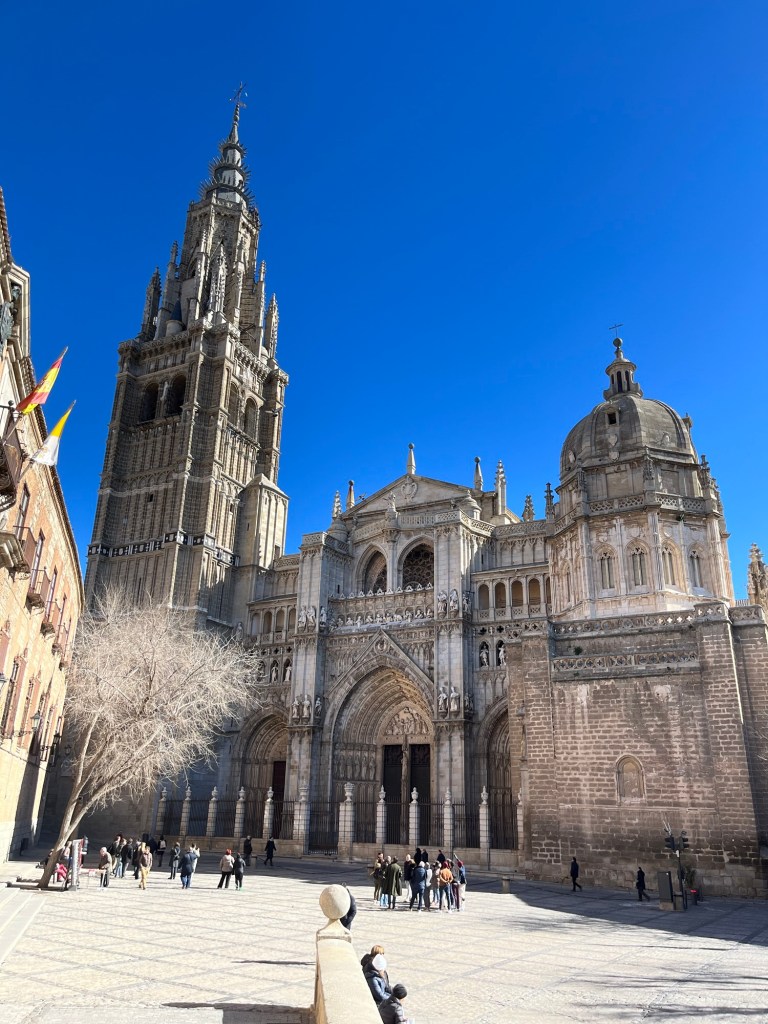
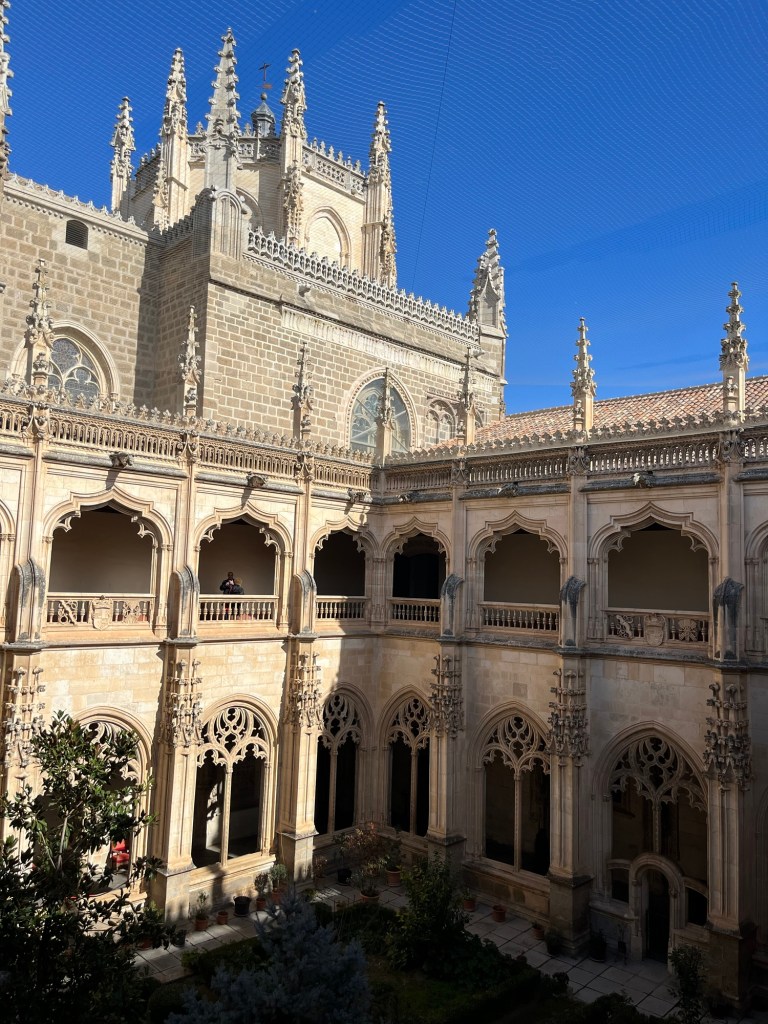
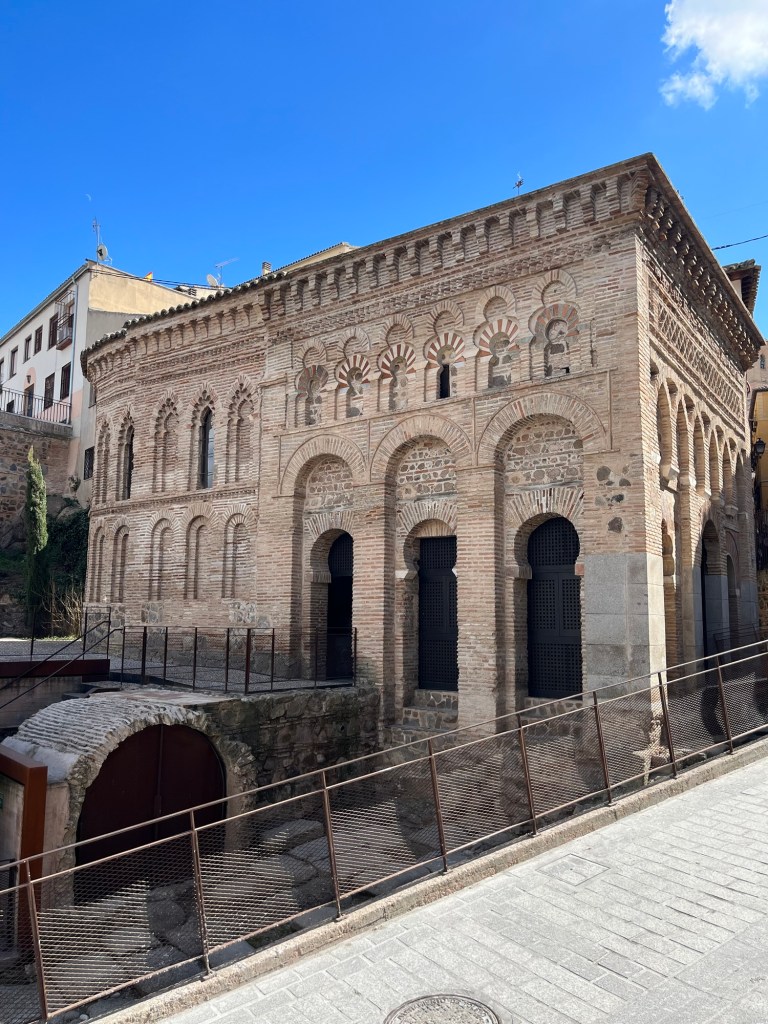
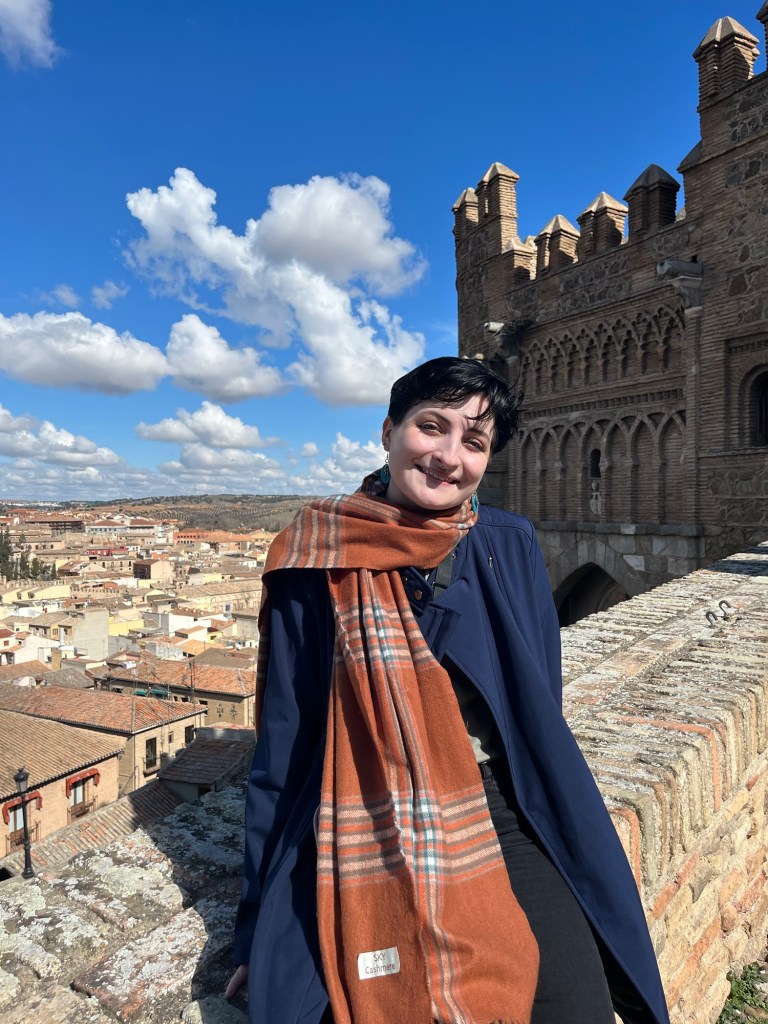
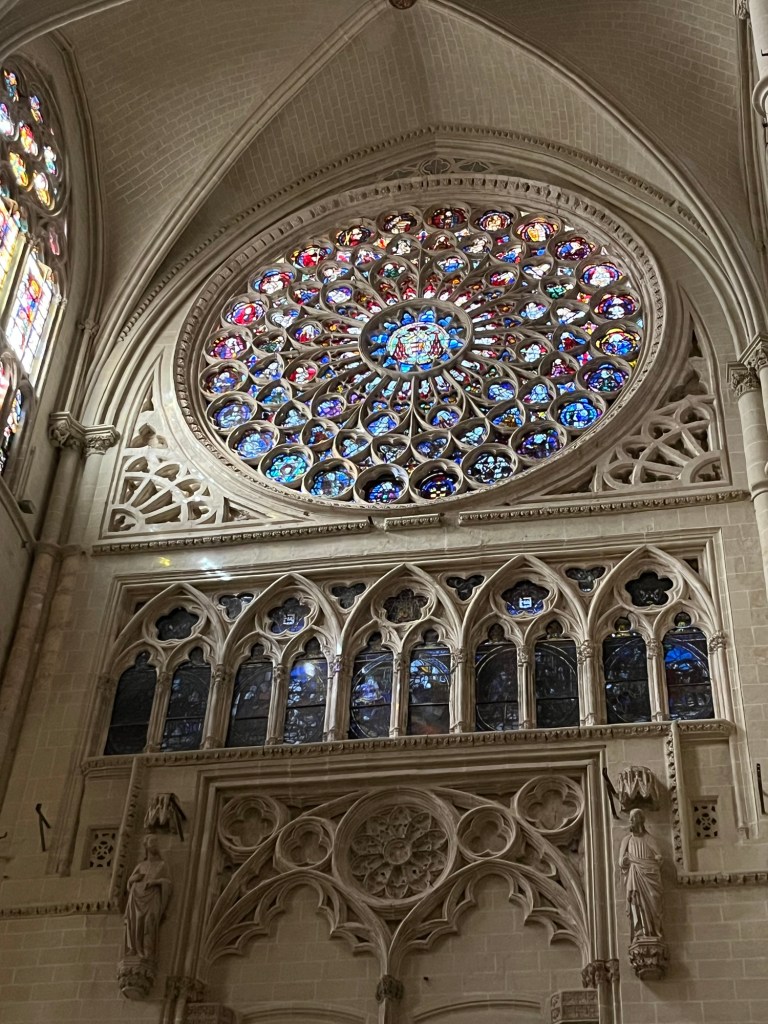
Toledo lies south of Madrid and is a great weekend trip from the bustling cities. Housing a plethora of cathedrals, mosques, and synagogues, Toledo remains famous as a conglomerate of religious freedom and connection. Sitting atop a hill makes the town less than ideal for those with mobility struggles. However, many guided day tours from Madrid offer accessible travel options. The highlights of this trip were the Cathedral Primada, Monasterio de San Juan de los Reyes, El Transito Synagogue and Sephardic Museum, and the Mosque of Cristo de La Luz. Each holding a fascinating history and religious significance, these worship sites and monasteries highlight the city’s culture. Along the pathways, you will find unique hand-made gold etched jewelry, making a stunning gift for loved ones and supporting local artisans.

Sevilla
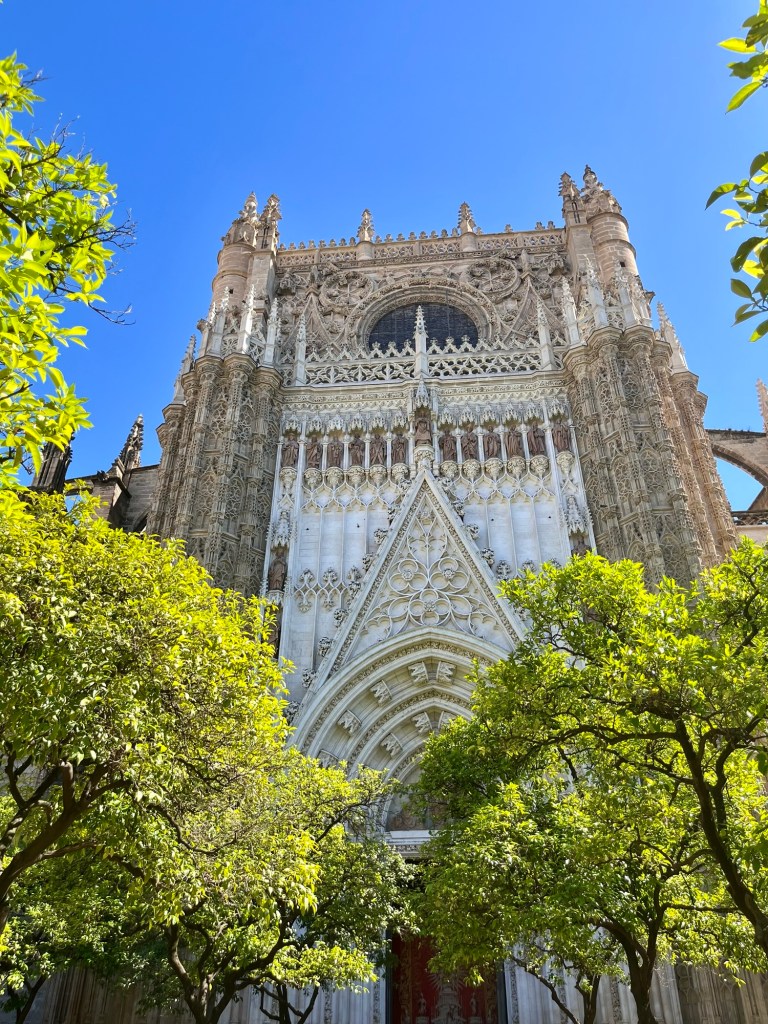
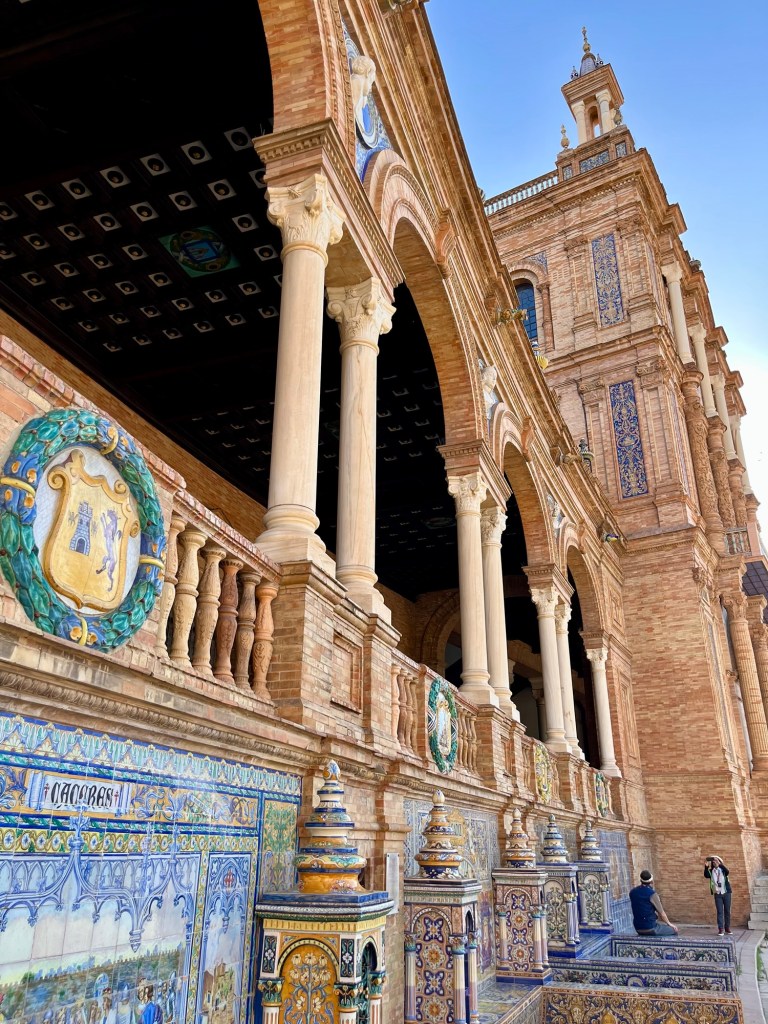
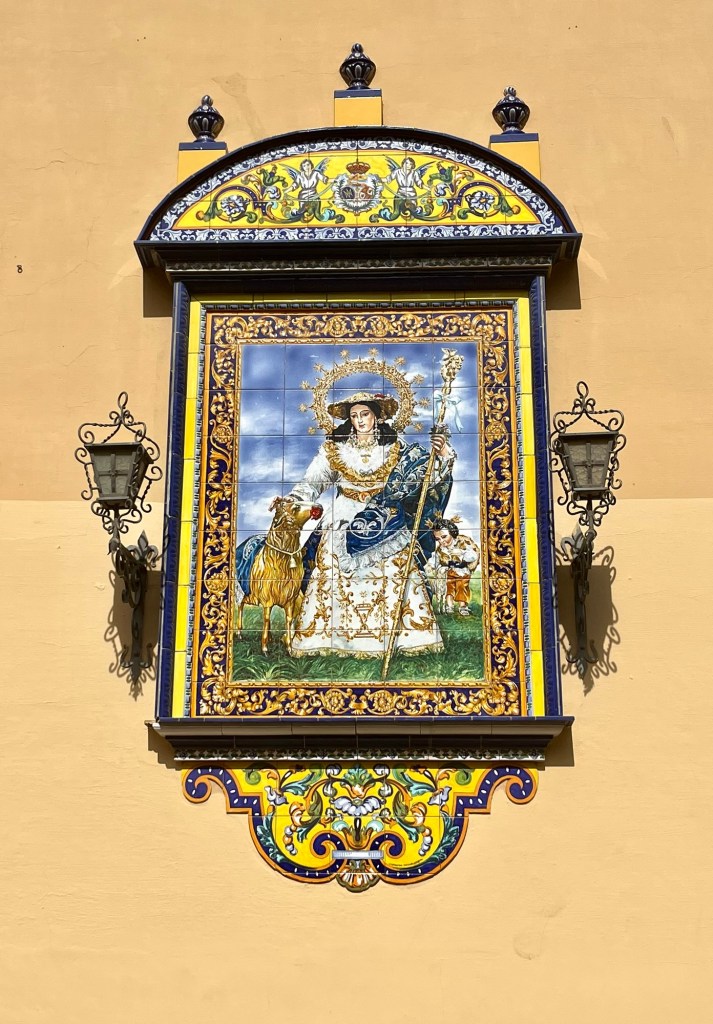
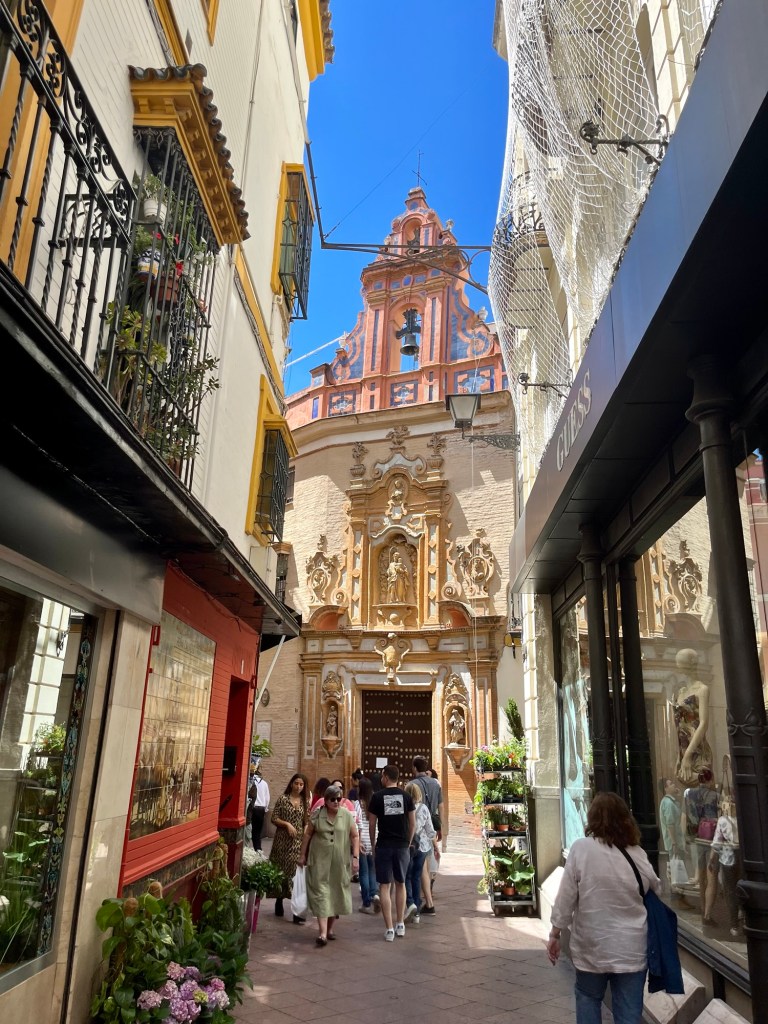
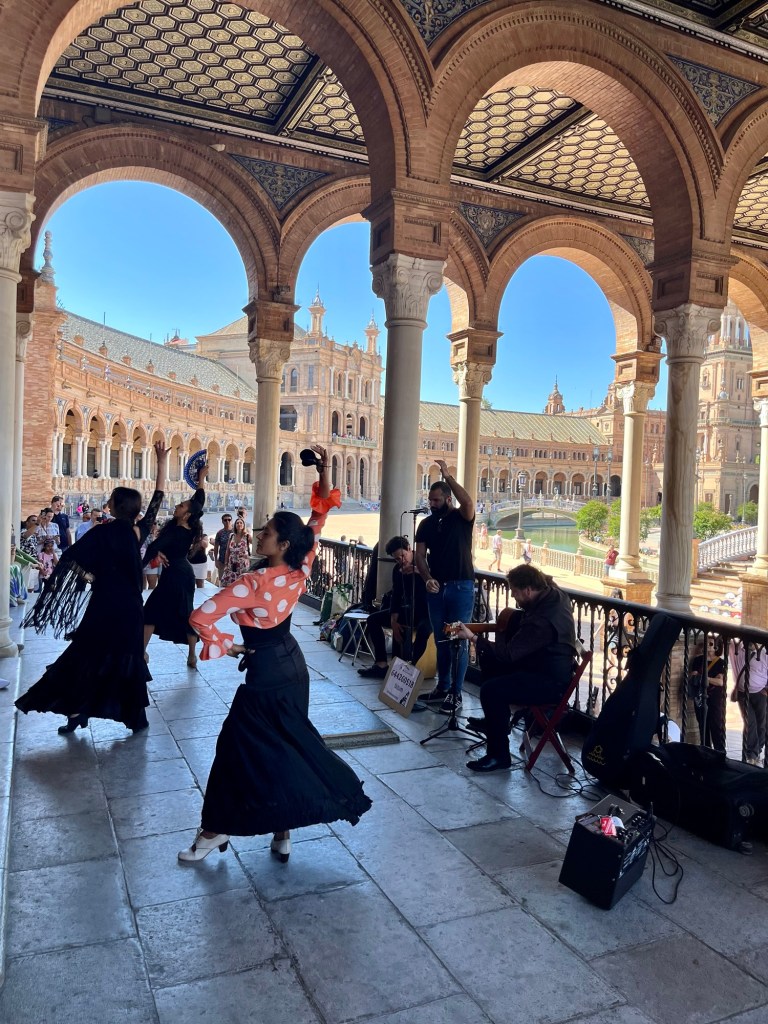
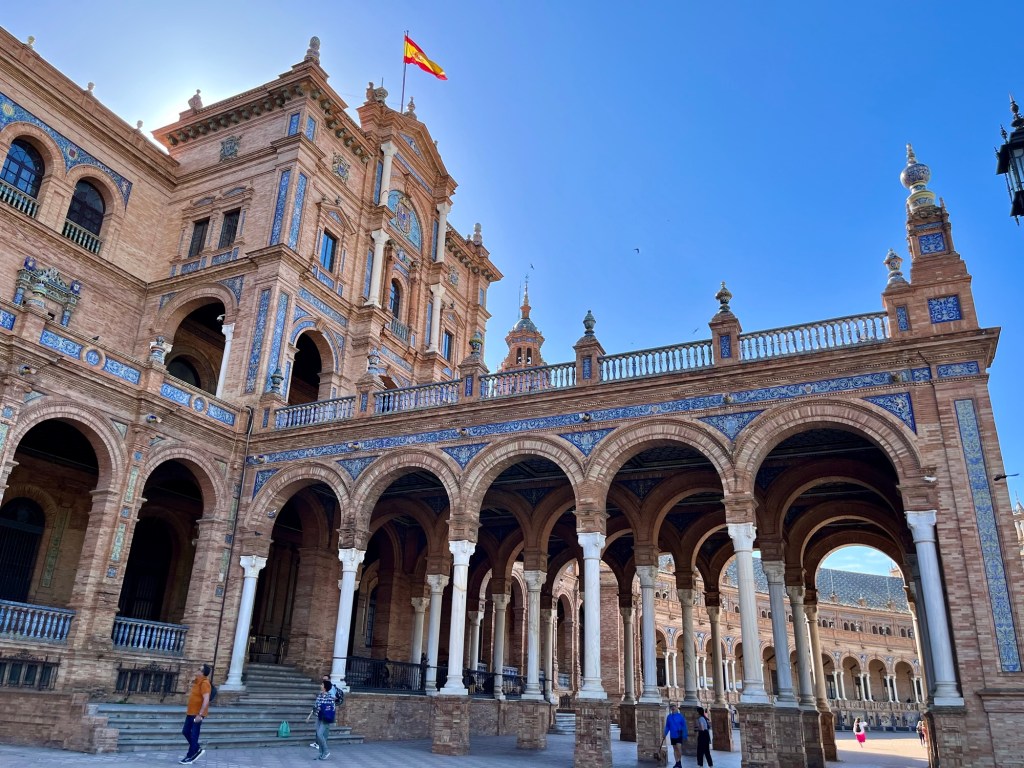
Sevilla is more tourist-heavy than the previous cities, but is often still overlooked by travelers. However, Sevilla is the place to go if you wish to dive into the Andalucia region’s music, architecture, and food. On each corner, Flamenco dancers and musicians, horse-drawn carriages, and light-flowing clothes that counter the scorching summer heat. Highlights here are the Plaza de Espana (where Attack of the Clones was filmed), Cathedral and La Girada, Alcazar de Sevilla, and the Triana district.
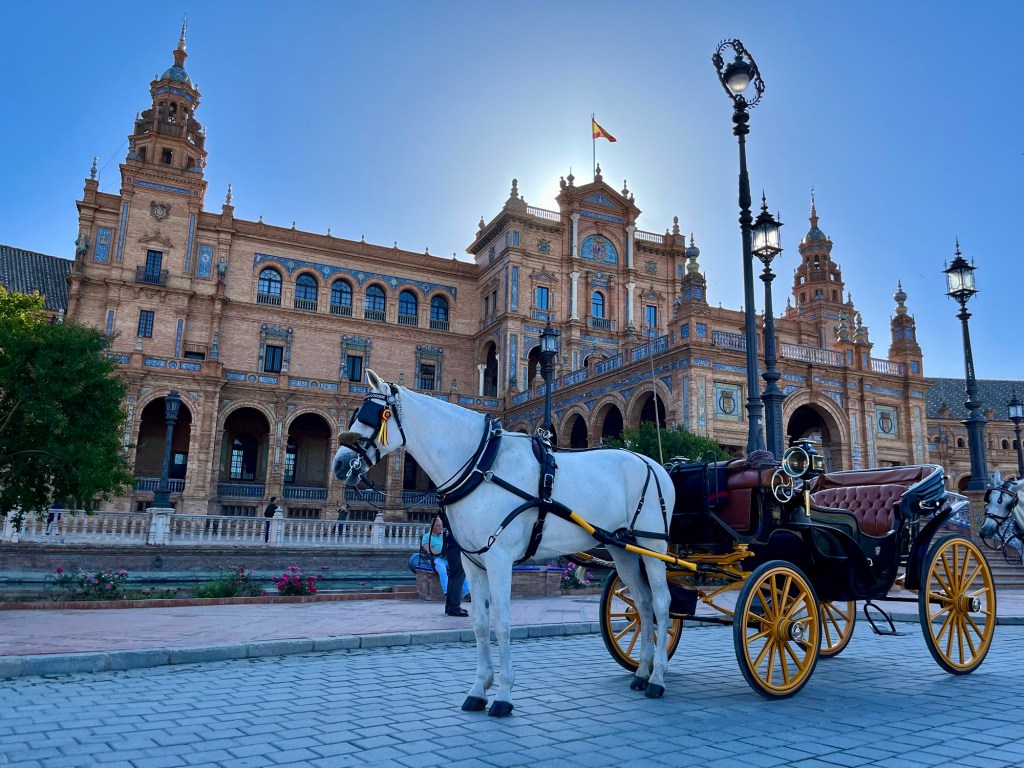
Known as a famous travel scene in Star Wars: Attack of the Clones, the Plaza de Espana serves as one of the most iconic structures in the country, with sections dedicated to Spain’s various regions. It is one of the few free attractions in Sevilla and is worth going early in the morning to beat the crowds.
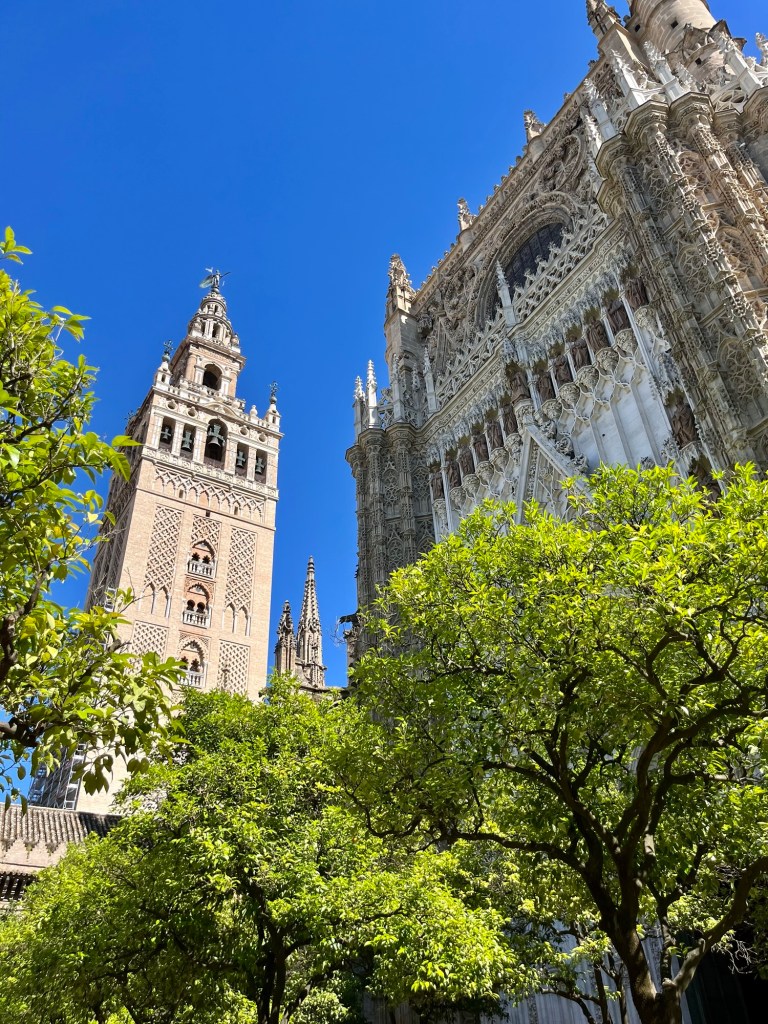
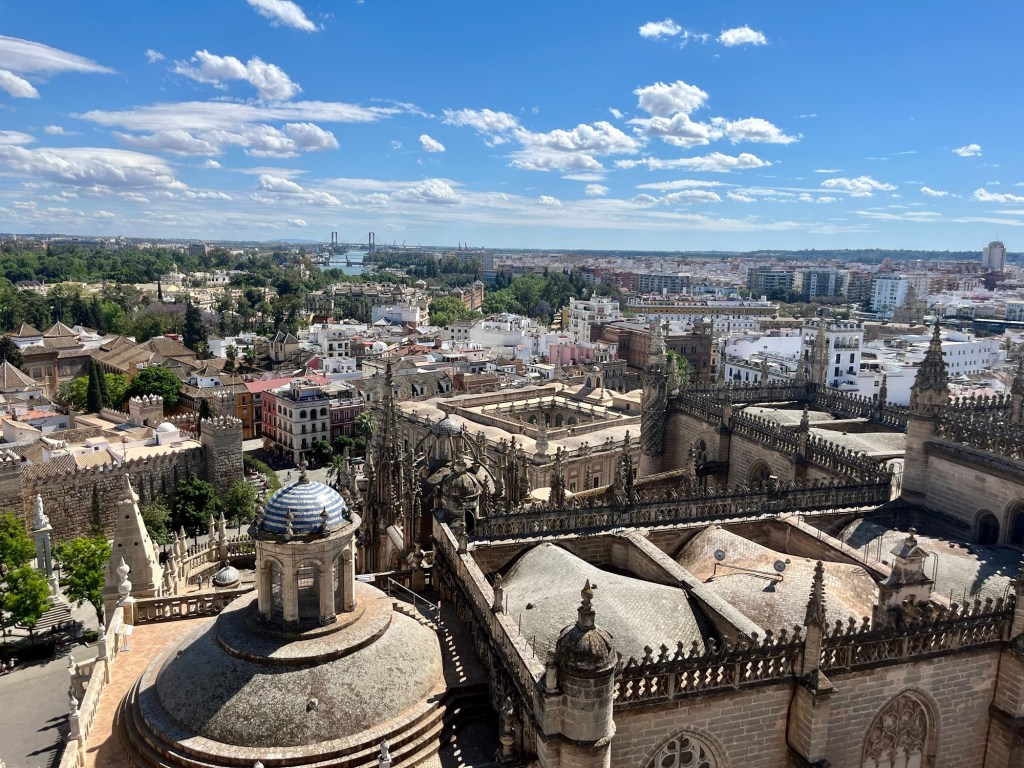
As a history lover, I could not miss the Alcazar, the Cathedral, and La Girada (Tower). The Alcazar is the center of many historical events and Arab influence in southern Spain. The Cathedral serves as the more catholic influence and controversially holds the grave of Cristopher Columbus, one of Spain’s most famous Colonizers of the Americas. Despite this, the Girada of the Cathedral is a large tower with ramps to climb to the top, offering a stunning view of the city.
One of the city’s most underrated sectors is the Triana district. This neighborhood is the heart of Sevilla and is positioned away from the bustle of the tourist highlights. As a beautiful historical center, this is the place to witness Flamenco dancing, music, local beers, and wine. My classmate and I stepped out of our comfort zone by taking Flamenco classes for two days of the trip in the Triana district. It was such a fun and immersive experience that it made me appreciate the artistry and professionalism more than ever.
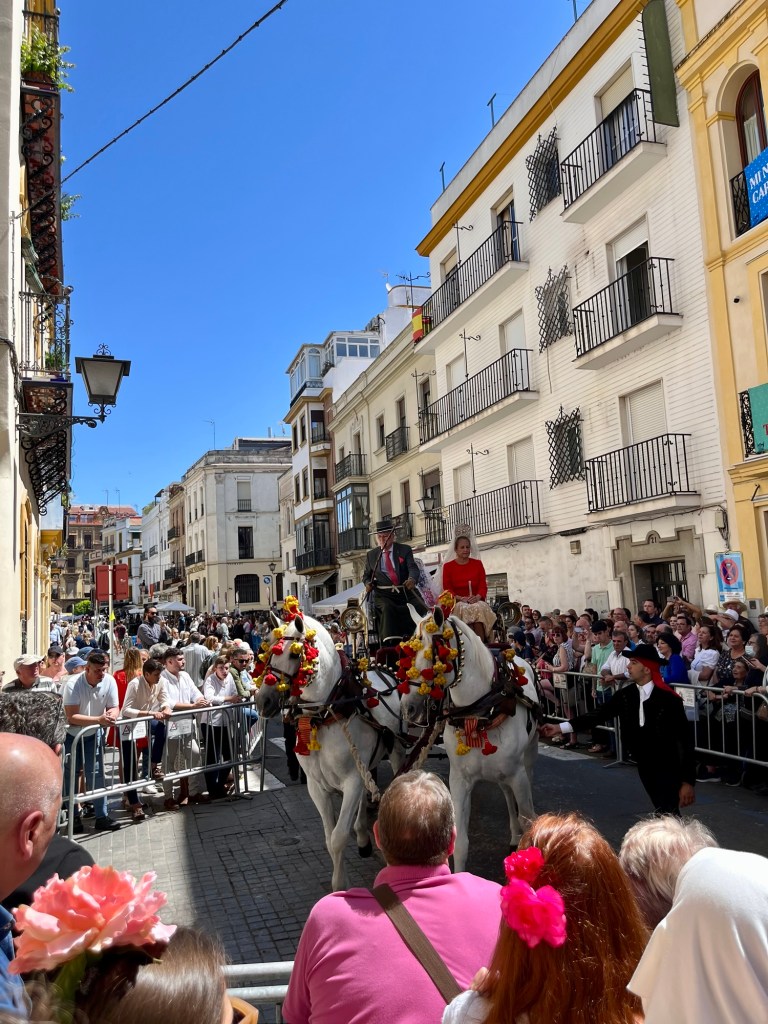
As I was in Sevilla, I unintentionally stumbled into one of the year’s most significant events: the Sevilla Fair. A horse-drawn carriage competition kicks off a week-long event, and Andalucian fashion is everywhere. The form-fitting dresses, large flowers, and traditional shawls were abundant this Sunday as the week-long party began. I watched the horses from the streets and met many locals who explained the week’s events. Sevilla surprised me in the best ways possible, and I hope to return someday soon.
Granada and Cordoba
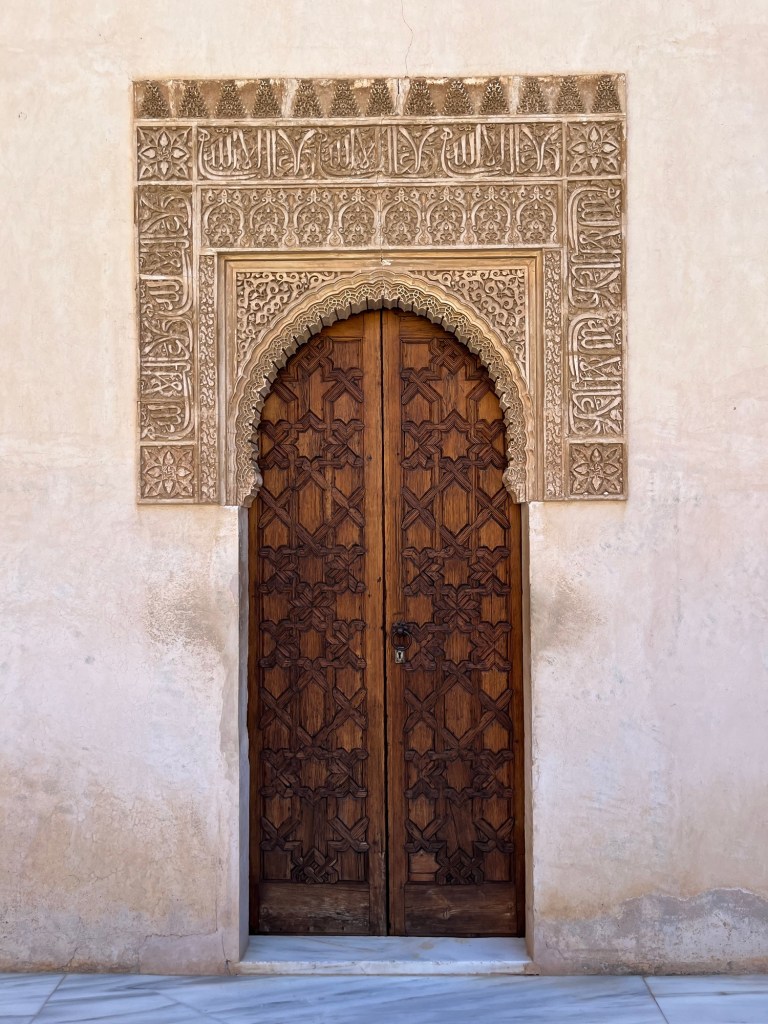
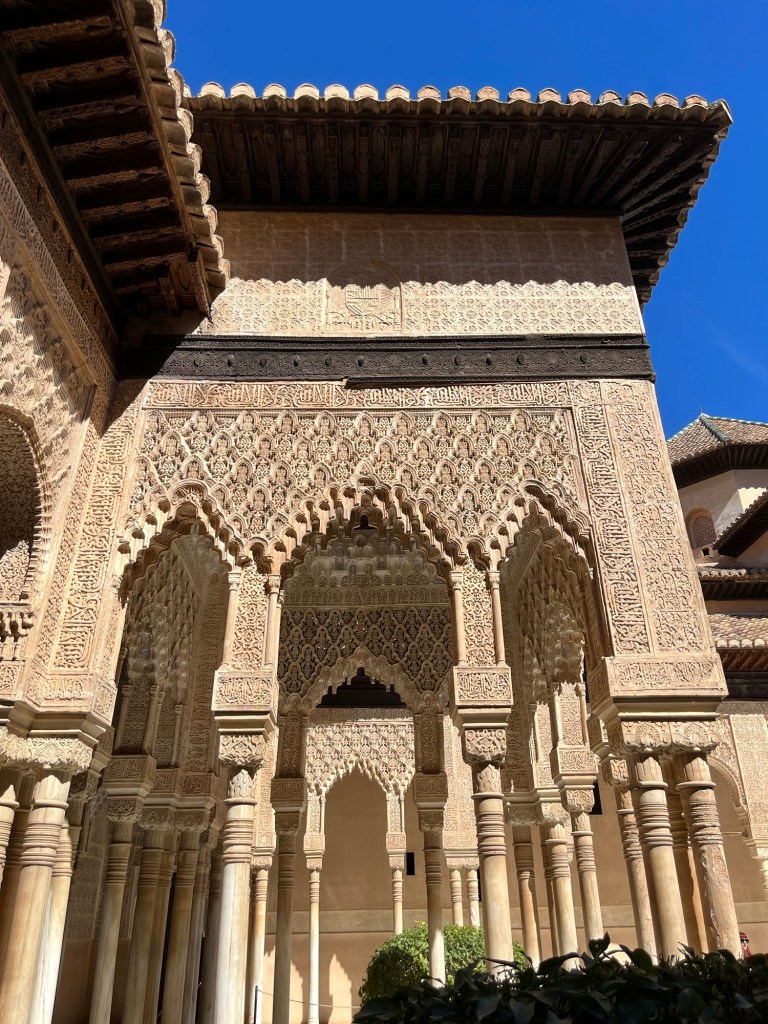
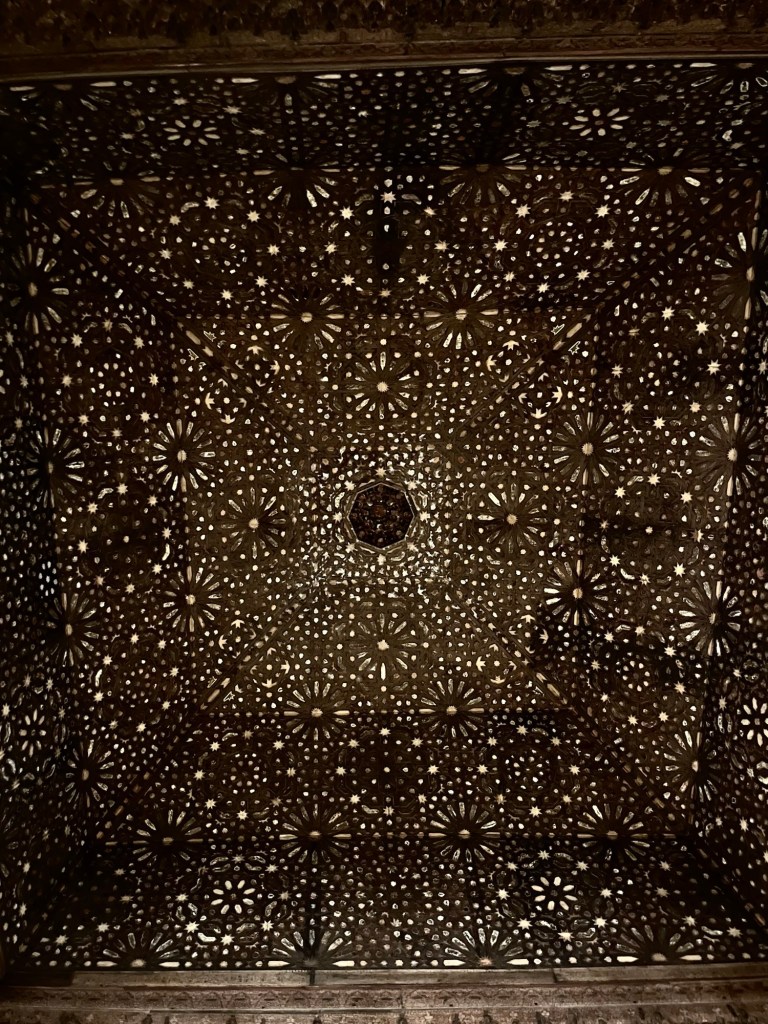
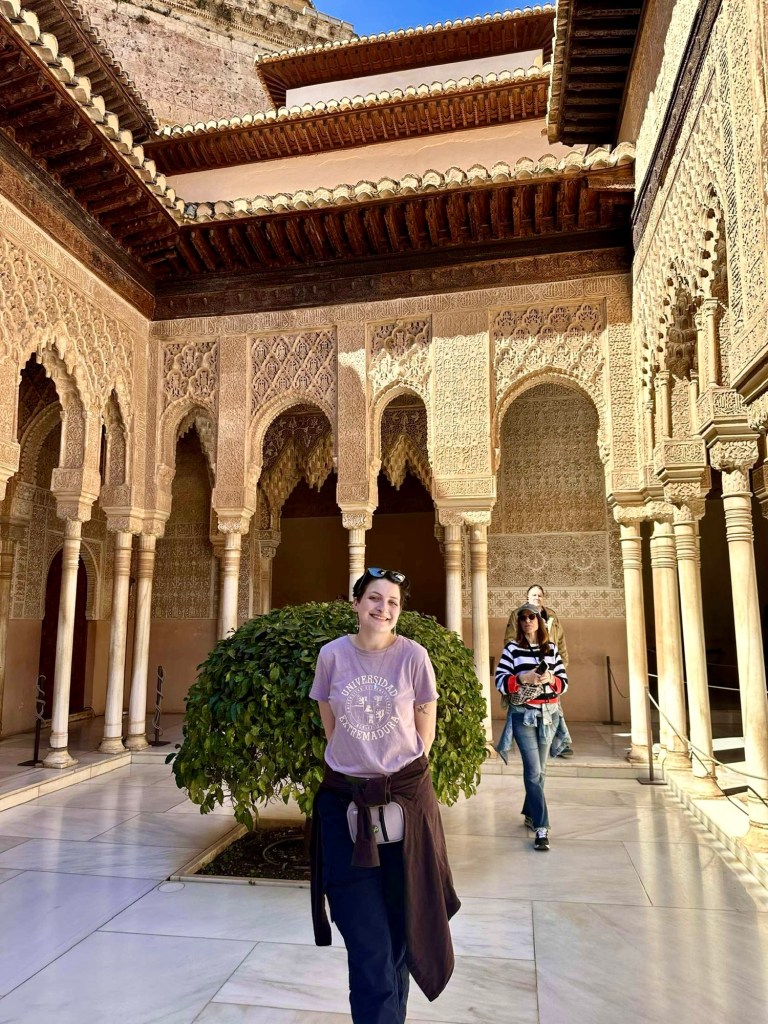
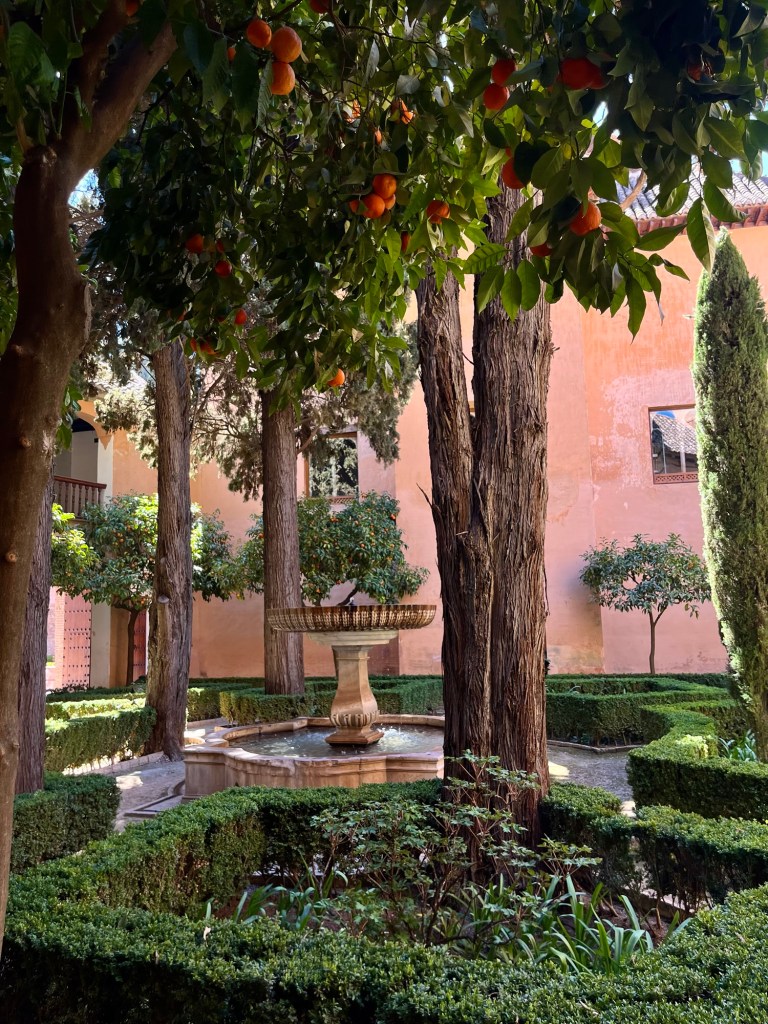
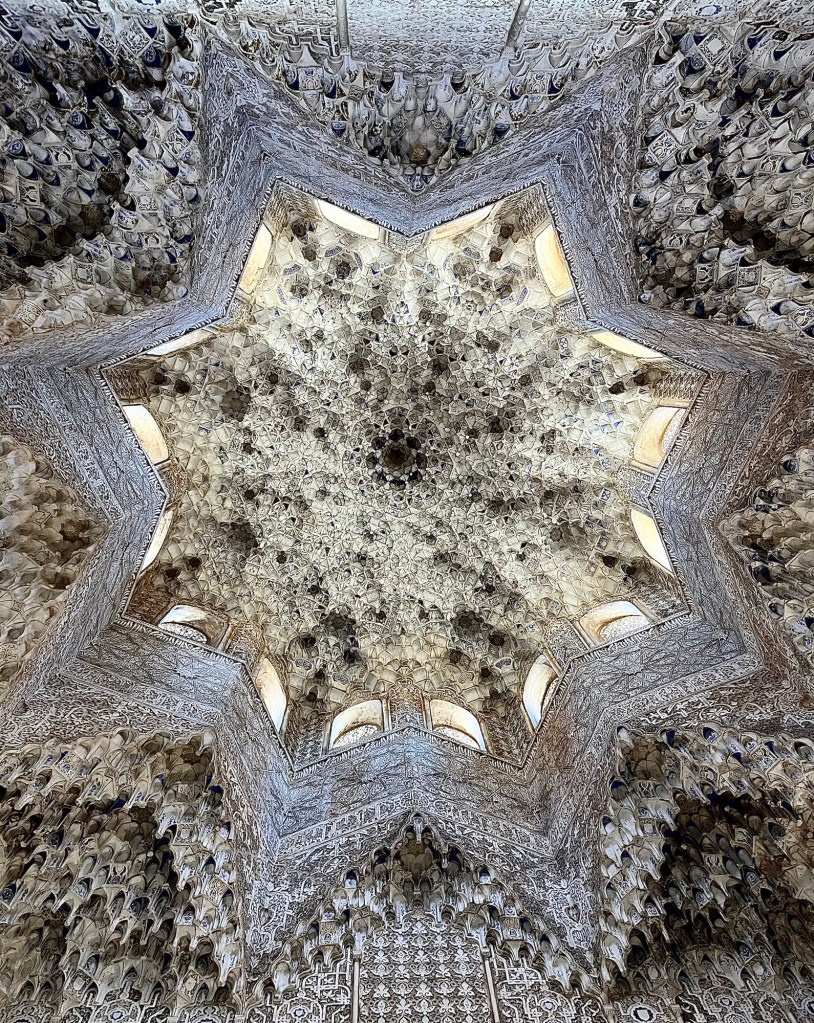
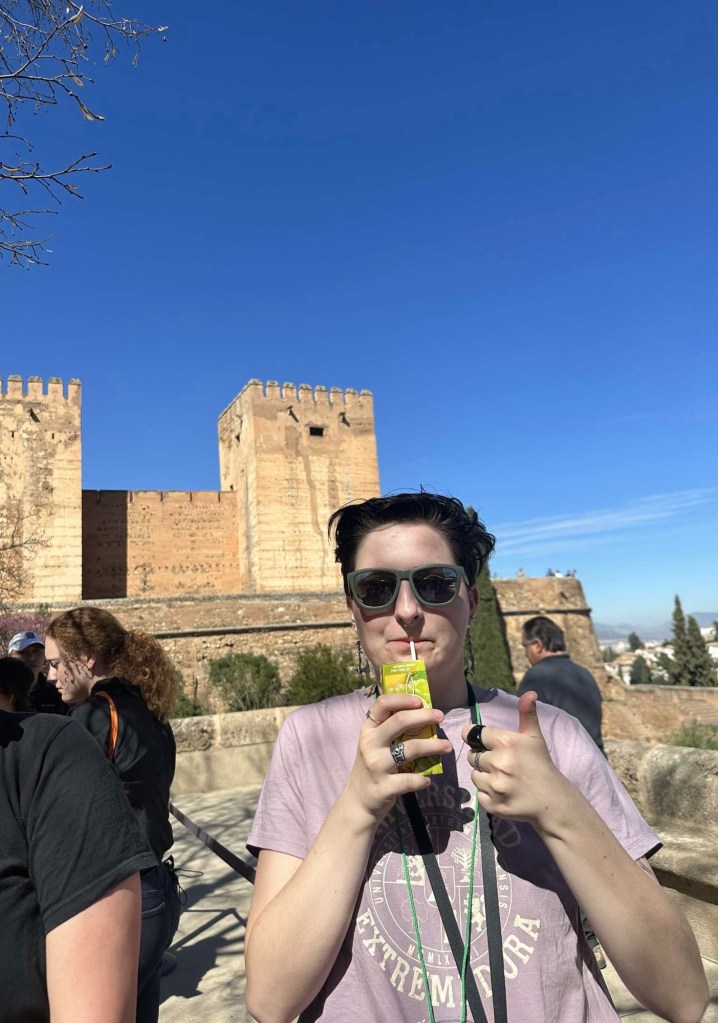
Granada and Cordoba served as our last study-based field trip, where we spent a week exploring the history of the two biggest attractions: The Alhambra and Mosque de Cordoba. The gem of Granada, Spain, is the 9th-century palace, one of the most famous in Islamic architecture, with its signature red-colored walls and Arabic texts. As one of the largest palaces you can visit, it was unsurprising that our group spent over 5 hours exploring the unique history and art. As the blend between Islamic and Spanish art and history, this was by far my favorite place in Spain, and I highly recommend it to fellow history and art lovers.
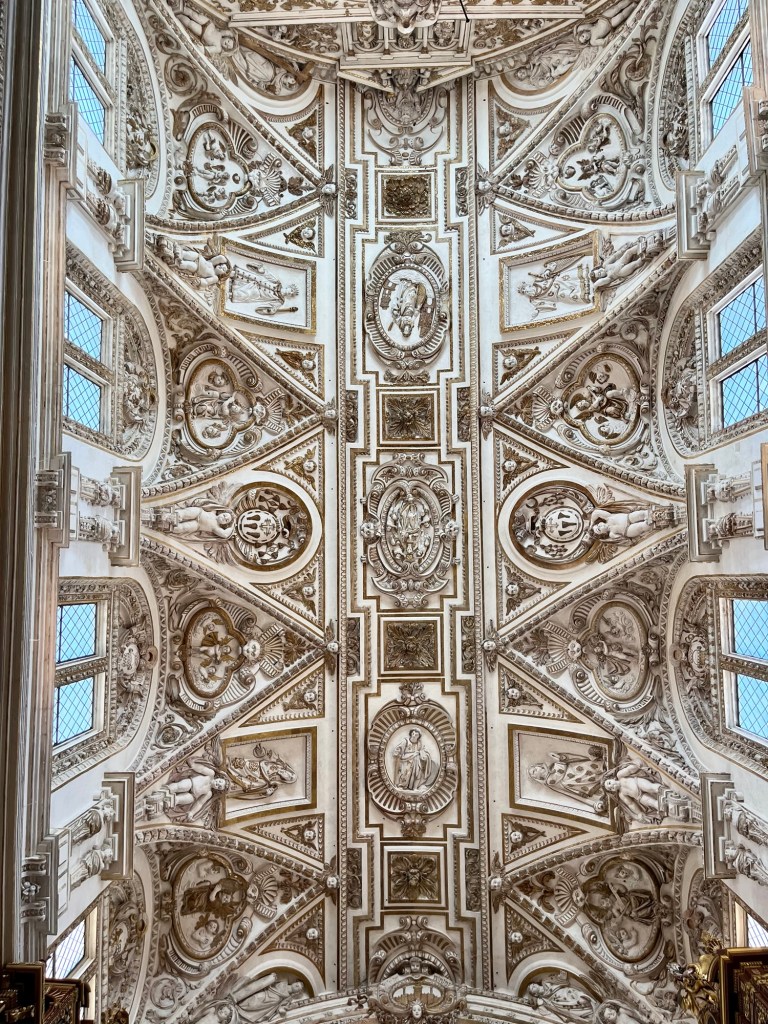
The Mosque de Cordoba is located in the accompanying town of Granada: Cordoba. A smaller but vibrant city, Cordoba continues blending Arabic and Spanish cultures, art, and history. The Mosque de Cordoba is one of the most intriguing and well-preserved religious sites, with a Mosque and Catholic Cathedral. The ceilings and painted archways draw tourists in, but the self-guided history tour keeps them inside the ornately decorated walls. Combined with Granada, these two cities are some of the best places to explore the Andalucia region, with all its history, cultural blending, music, and art.
Tips and Tricks for Traveling in Spain
Don’t order Sangria – I know it is at every restaurant, but it is often watered down and overpriced. To get a good wine-juice blend and sound more local, order “Tinto de Verano.” Tinto de Verano is quite similar but generally lighter and incredibly refreshing if you visit during the summer months.
Respect Religion: whether it is a synagogue, Mosque, or Cathedral, it is essential to follow the rules and guidelines posted by the site and given by the staff. Especially at sites such as the Alhambra, Mosque de Cordoba, and Cathedral Primada, pay attention to your guides, stay in designated areas, and please do not touch anything you are not allowed to. Spain is the same as you would wish a visitor to respect your home and customs, especially in these century-old sites which rely on preservation and respect from visitors.
Using Spanish: As a fluent Spanish speaker, I am biased when it comes to this. However, if you are traveling to Spain it is helpful to know some basic phrases and words common to Spain. Using these when ordering, asking questions, and conversing with locals will make your experience feel special and help you connect with Spanish history and culture more.
- Por Favor / Porfa (Thank you)
- Vale (Yeah / Ok)
- Perdon / Disculpe (Pardon / Excuse me)
- Hola! Que Tal? (Hello! How are you)
- Donde esta… (Where is…)
Be open-minded: As a mixture of cultures, religions, and histories, it is essential to be open-minded as a visitor to Spain. There may be customs, foods, music, and other unfamiliar things. However, keeping an open mind to foreign beliefs and customs is vital as you enjoy your time in Spain, as you can bond with local communities and create an unforgettable trip.
Have fun and take care!

 Tubbs' Thoughts
Leave a comment