

When my partner proposed visiting their hometown, I thought Sure, I love Ireland. Where are we going? He said Skerries. Cool… where is that? Little did I know that Skerries would blow me away with its serenity, gorgeous views, and fascinating history.
Skerries: Coastal Paradise
So, what is Skerries, and where is It? Skerries is a small coastal Irish town just north of Dublin in Fingal, the northern part of County Dublin. It has a deep and long history, stretching all the way back to the Viking Age. A unique town with not only an Eastern-facing coast but also a Western beach, this small town enjoys gorgeous sunrises, sunsets, and the fresh ocean tides, while being only a 30-minute drive to Dublin.
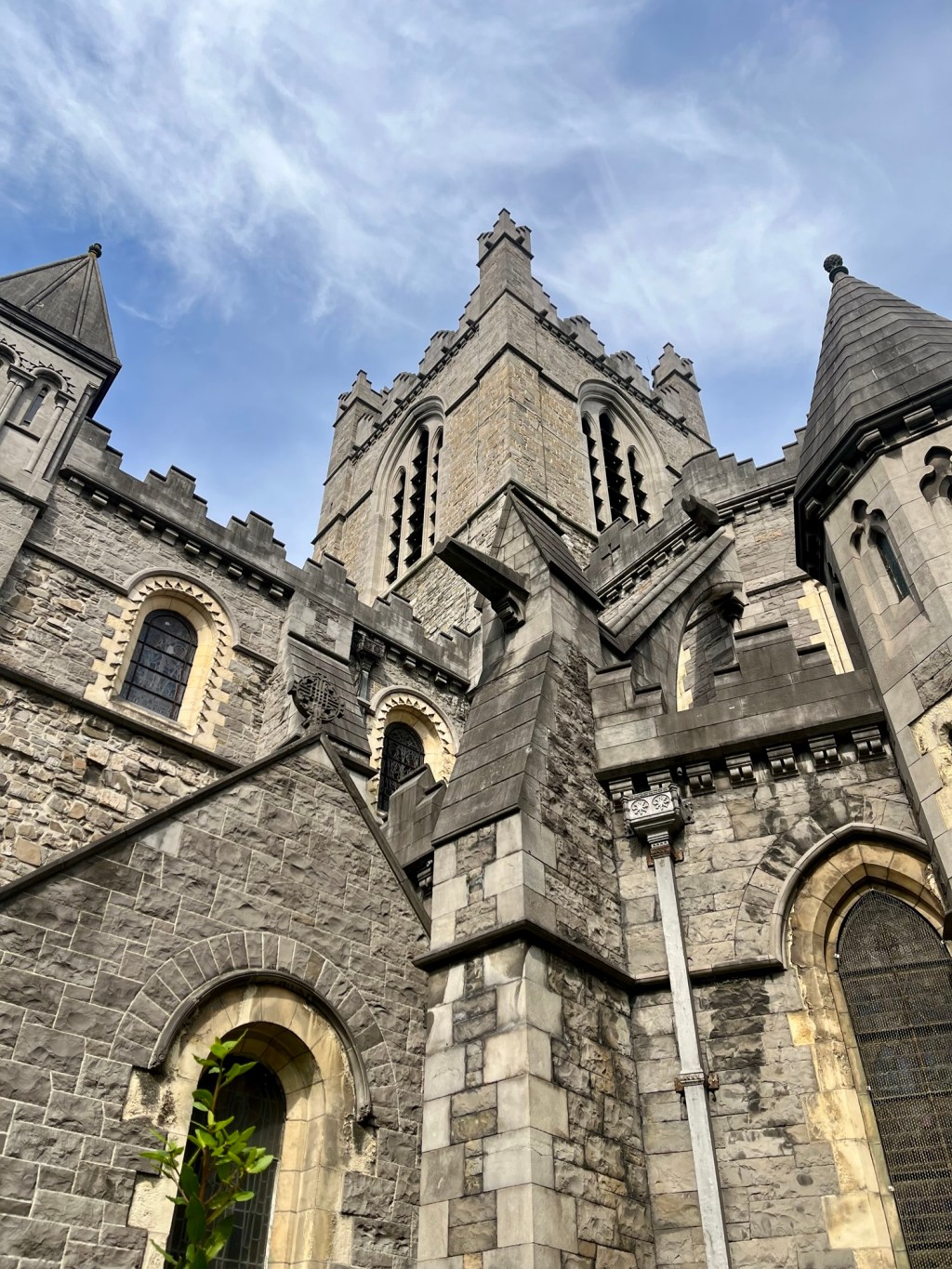
After flying in the evening, we got a ride from Dublin Airport to Skerries. In the darkness, I had no clue what the landscape looked like or what to expect. The next morning, though, I awoke to the sight of an old chapel tower and ancient cemetery just outside the door (my spooky girl heart was overjoyed!). Even after driving through later that day and taking the train, I realized the North of Dublin is filled with beautiful rolling hills of farmland and forest, often dotted with cattle and sheep (yay!).
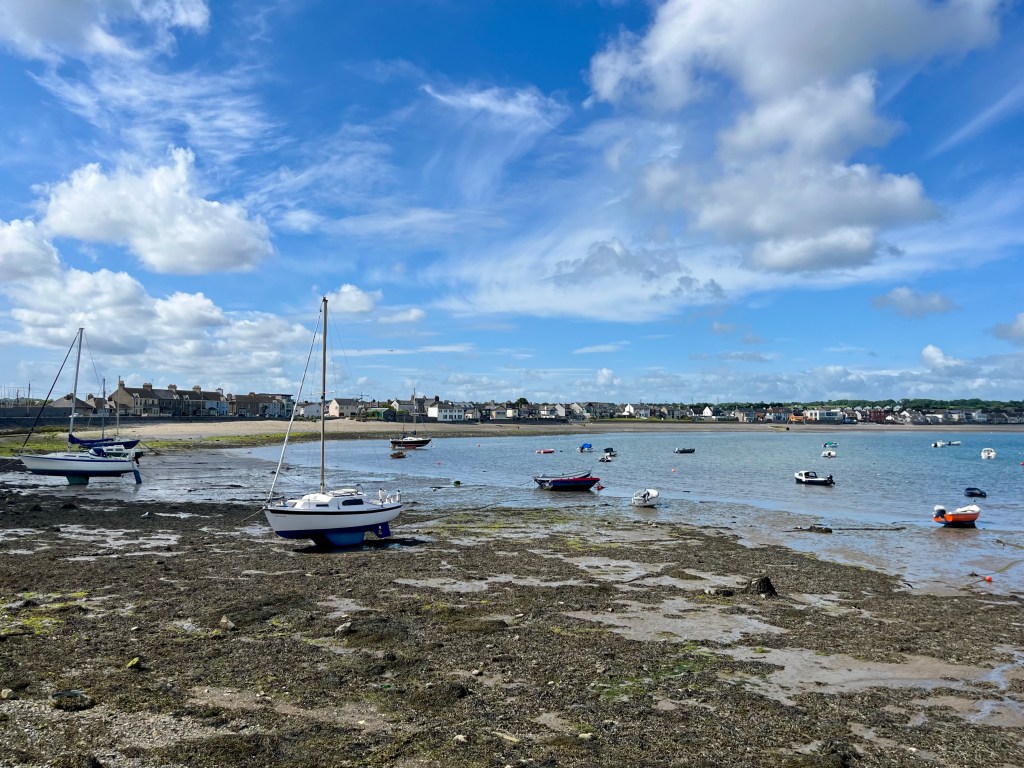
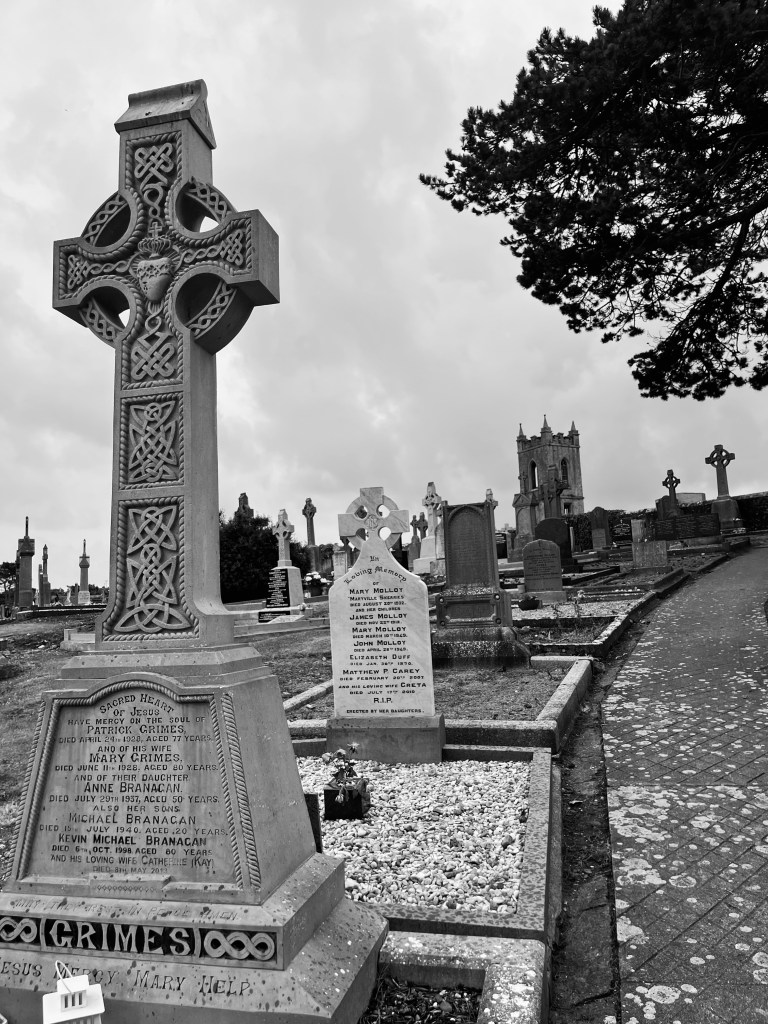
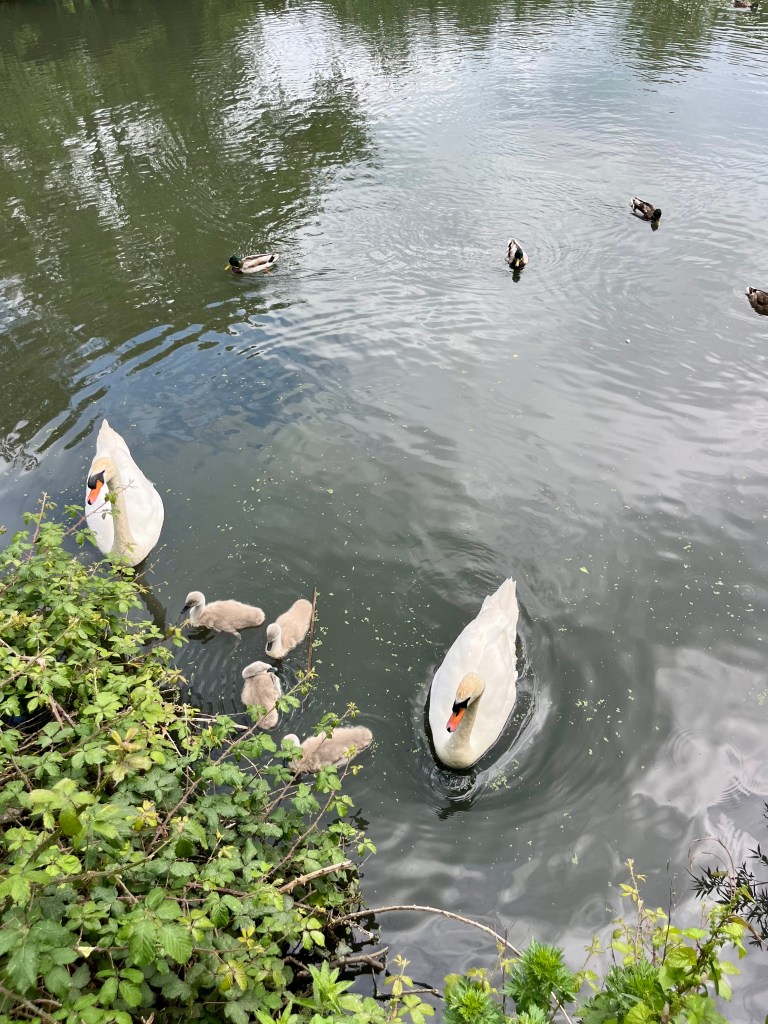
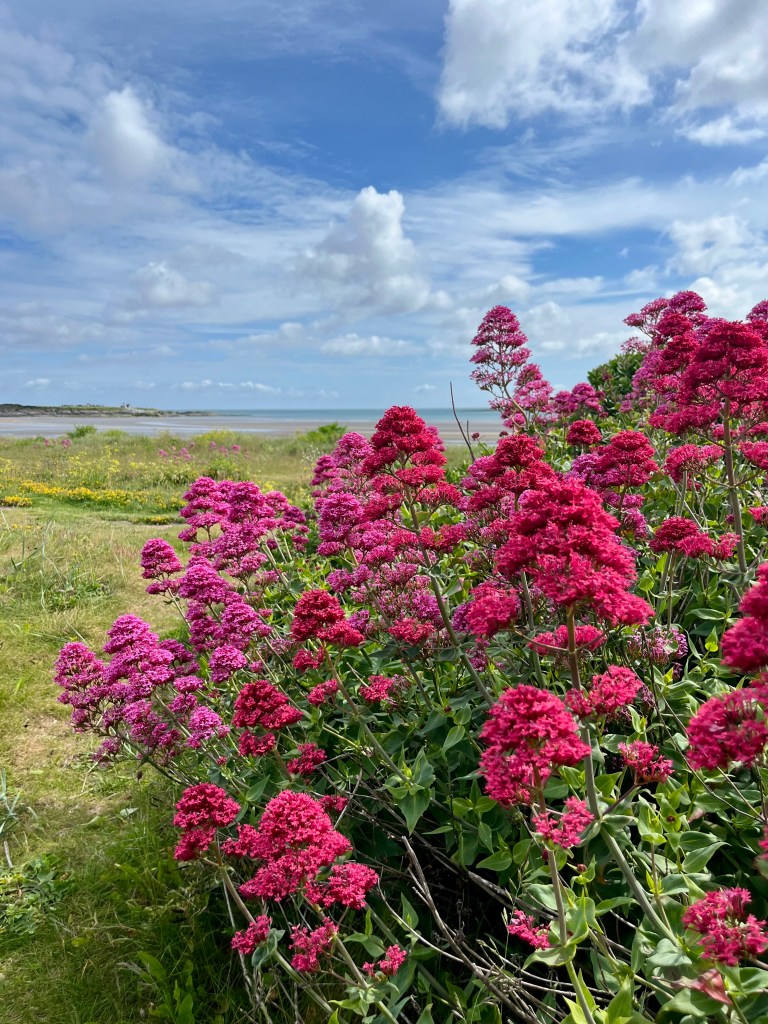
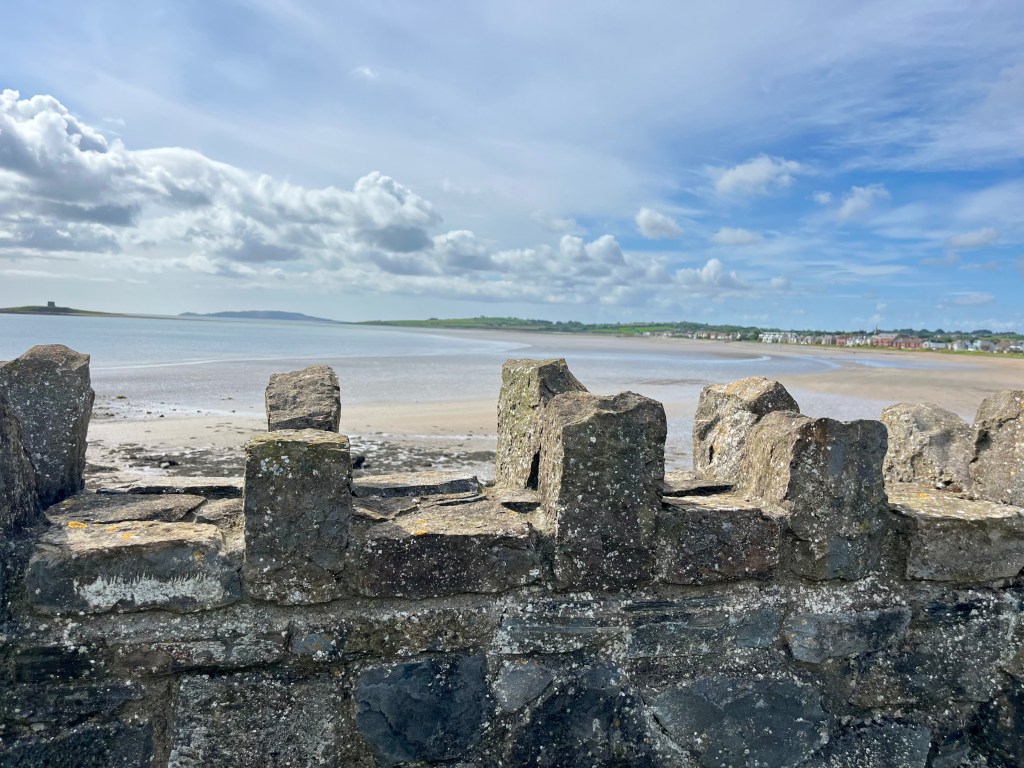
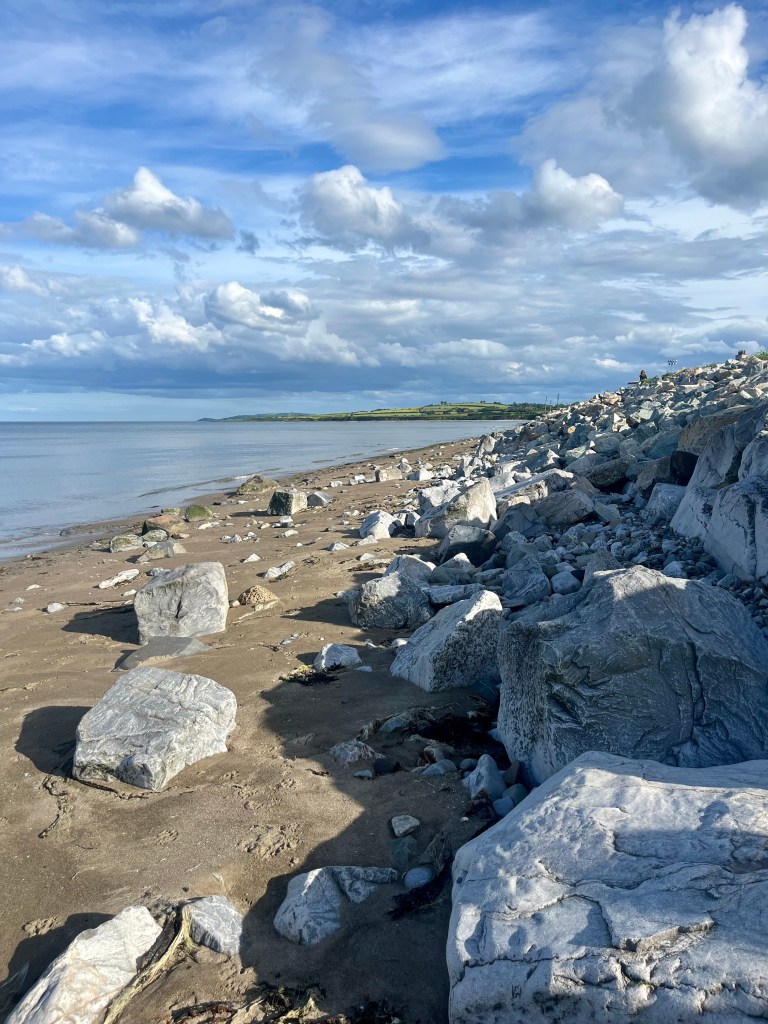
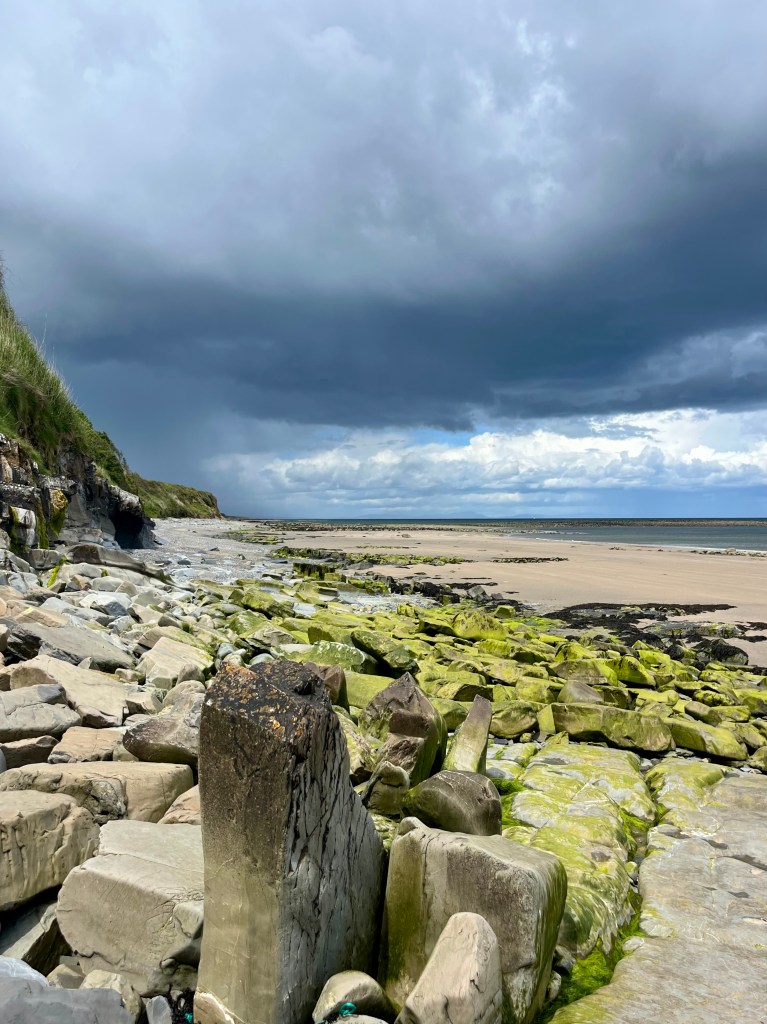
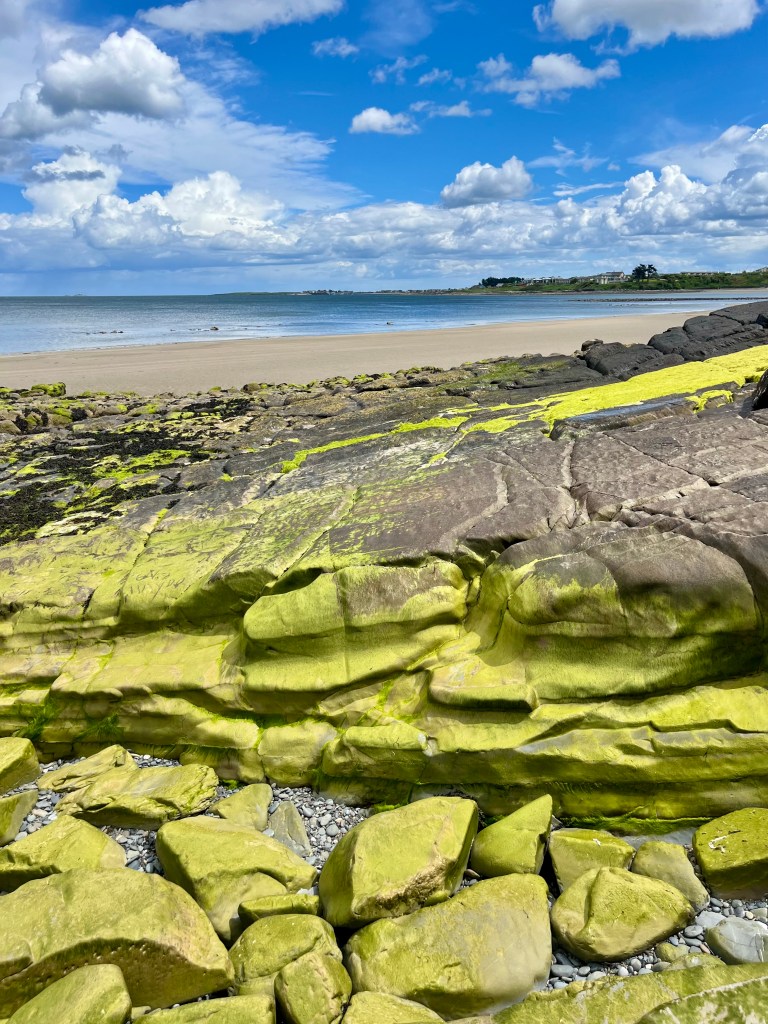
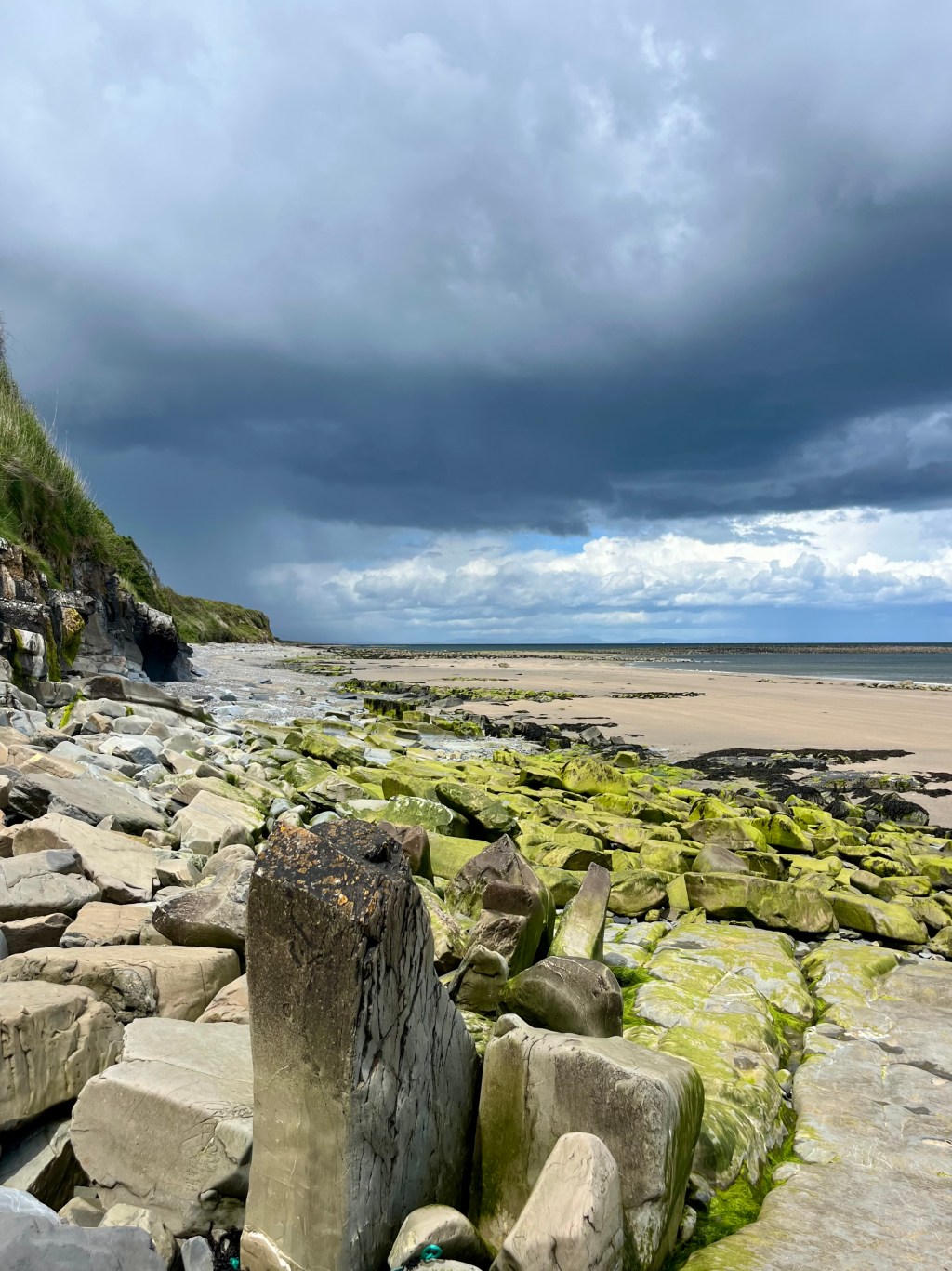
On the first full day, my partner proposed walking along the coastline, and I immediately agreed. As we walked, I was amazed by the calm, quiet beaches stretching far along the coast, with the soft, salty breeze hitting my face. As someone who grew up in the Midwest of the US, I had no exposure to the ocean until I was almost 16. I truly felt a sense of peace and tranquility there and immediately understood why many visit Skerries as a seaside escape close to Dublin.
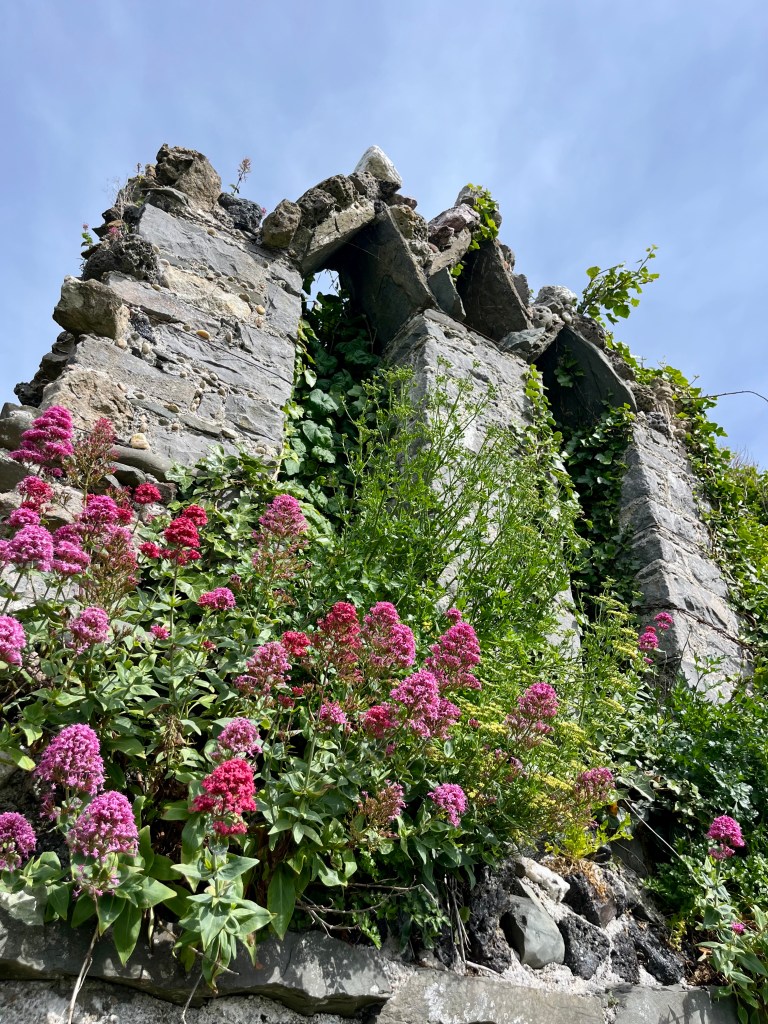
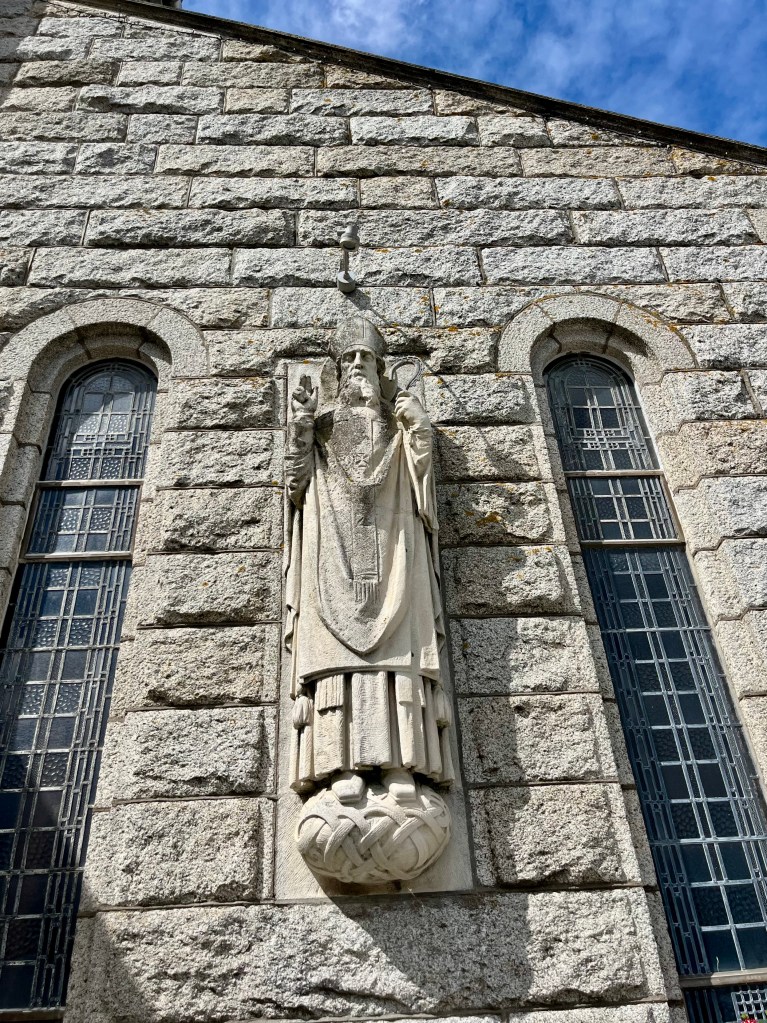
As we walked, we discovered the remnants of the old Abbey and peered at Church Island, locally known as St. Patrick’s Island, which has a tower where St. Patrick himself is rumored to have stayed. Both my partner and I were shocked to learn about this history, and we had an amazing time reading about the town’s deep historical and nautical ties. Continuing with a pleasant brunch (and getting me my scone fix), we decided to walk through town and visit the various shops and the grocery store, specifically to get the cheese-and-onion crisps (chips for us Americans) I was now addicted to.
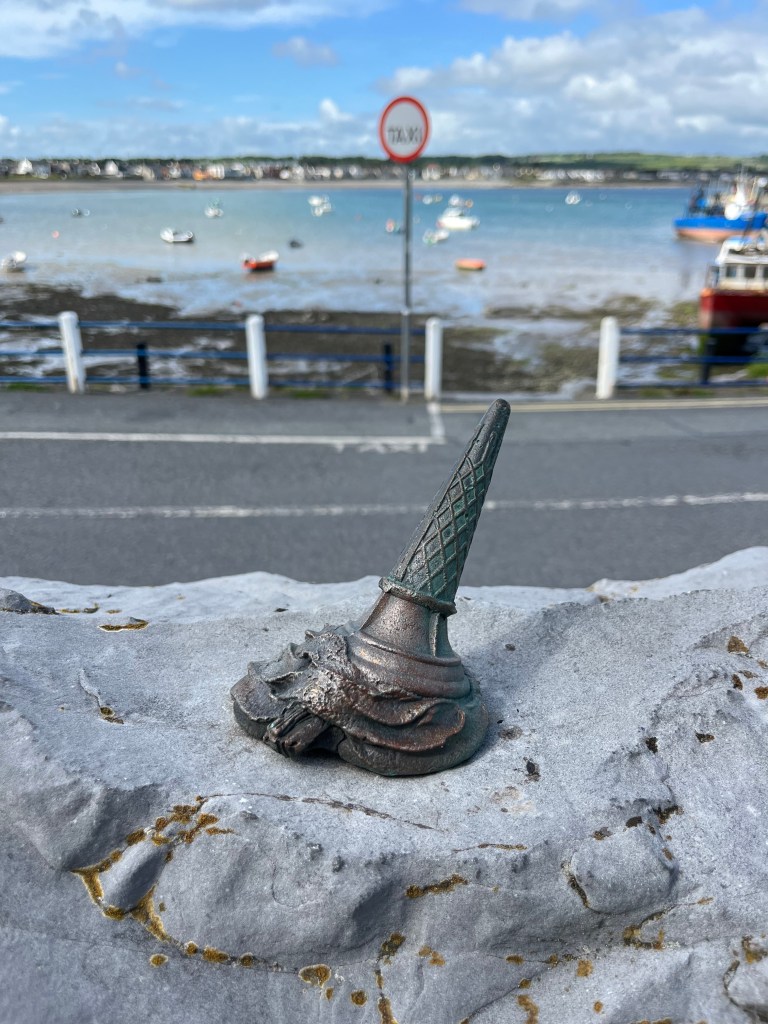
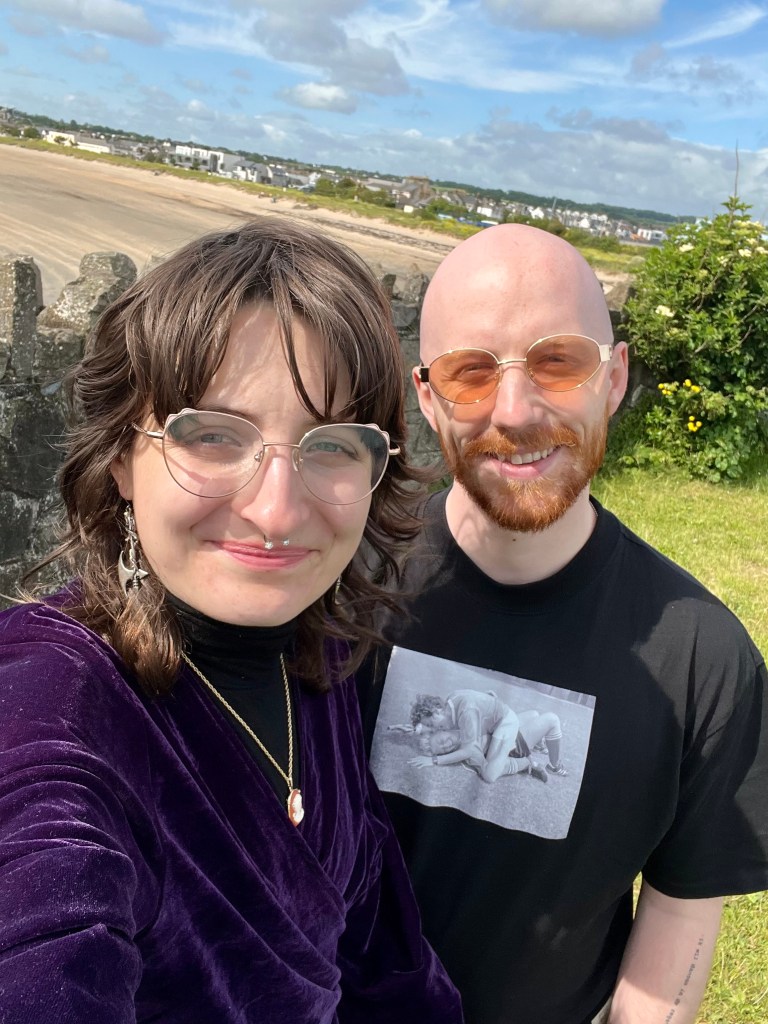
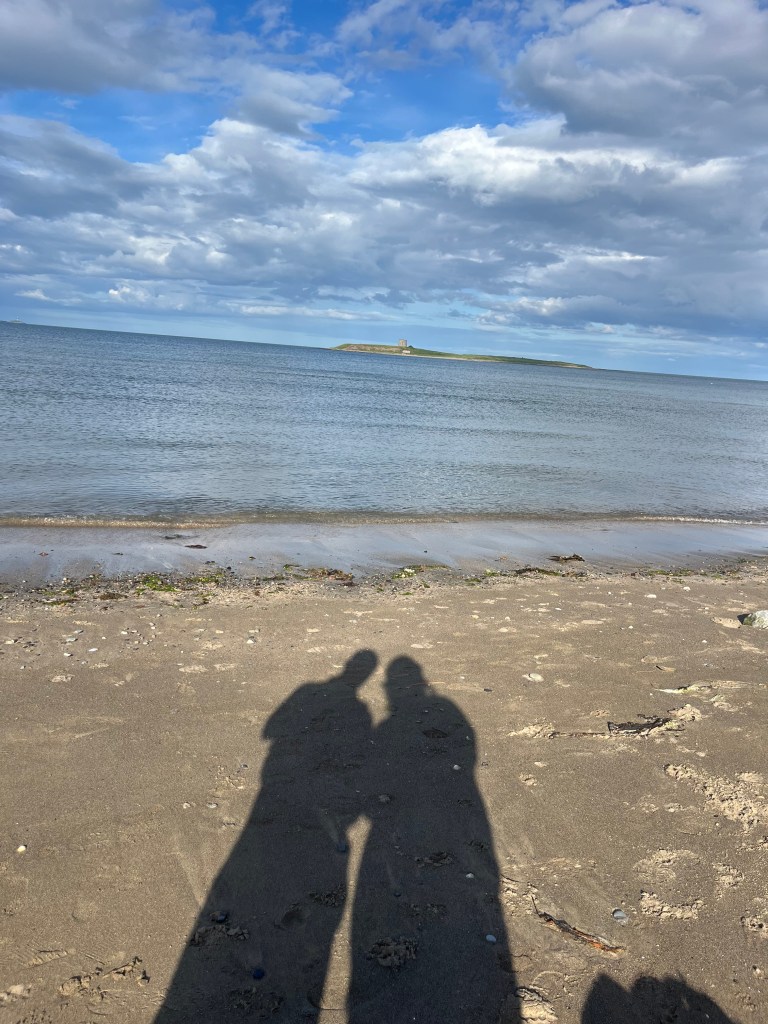
The next day, we decided to swim in the ocean, which took a minute to convince my partner to do. But once we got there, we knew it was the correct decision. The empty, private beach was so soothing, and the day was very relaxing. I couldn’t help but imagine that St. Patrick himself may have swum in the same water we were. The rest of the day was spent in the local pubs in Skerries, where we happened to be for the local Trad Fest (traditional Irish music). Paired with pints of Guinness and time spent with his local friends and family, it truly felt warm and welcoming.
Dublin Day Trip: Books, Art, and Vikings
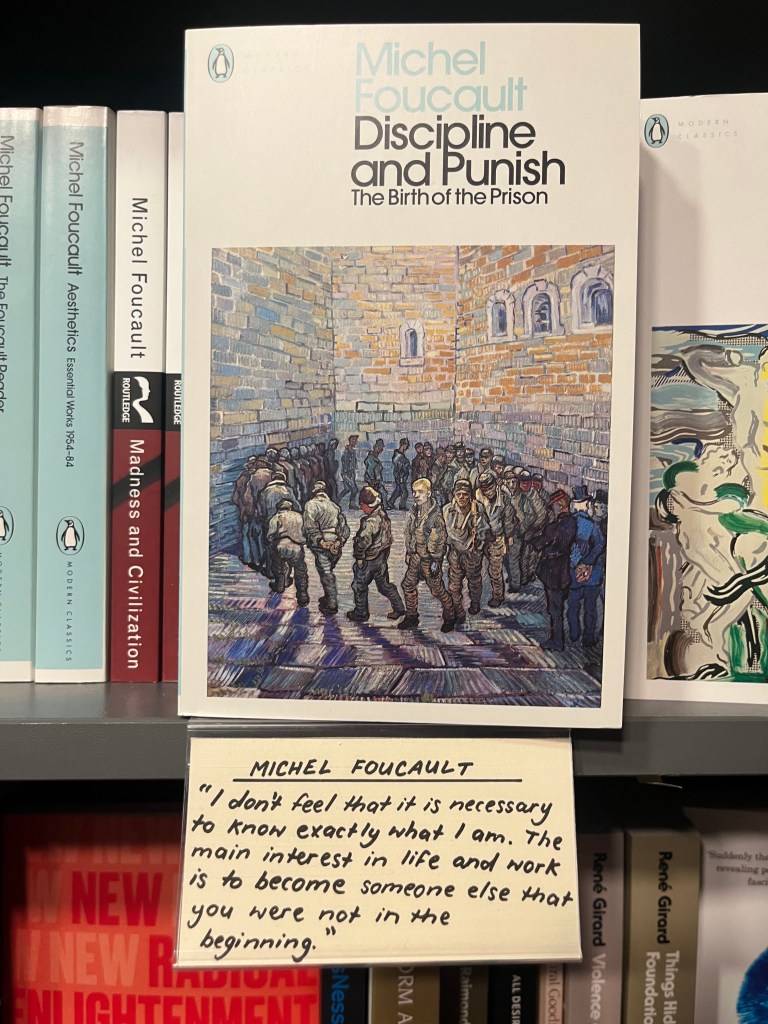
Sunday was our day trip to Dublin. Taking the train, we reached the city in about 40 minutes. Once there, we had an amazing breakfast/brunch at a local diner, then headed to the famous bookstore that was four floors tall (we almost spent all day here). Unfortunately for my partner, we had to leave the bookstore to attend the national gallery.


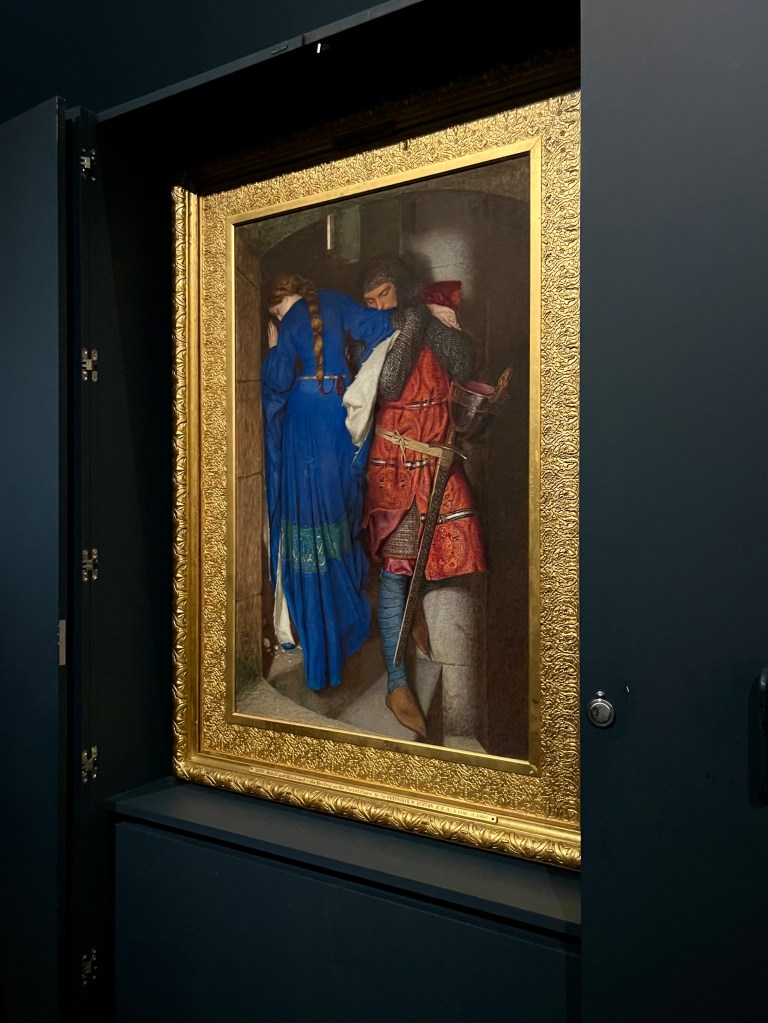
In one of Ireland’s free art museums, one of my favorite paintings is shown there for only one hour a week because the watercolor can fade quickly. The Meeting on the Turret Stairs (1864) by Frederic William Burton is one of Ireland’s most well-known watercolor works. Depicting the tragic goodbye meeting of noblewoman Hellelil and her bodyguard Hildebrand, which leads to a bloody ending and his death upon Hellelil’s father discovering them. What I love about this work is that the artist chose this intimate, romantic setting to focus on the star-crossed lovers, rather than the violence most artists depict.
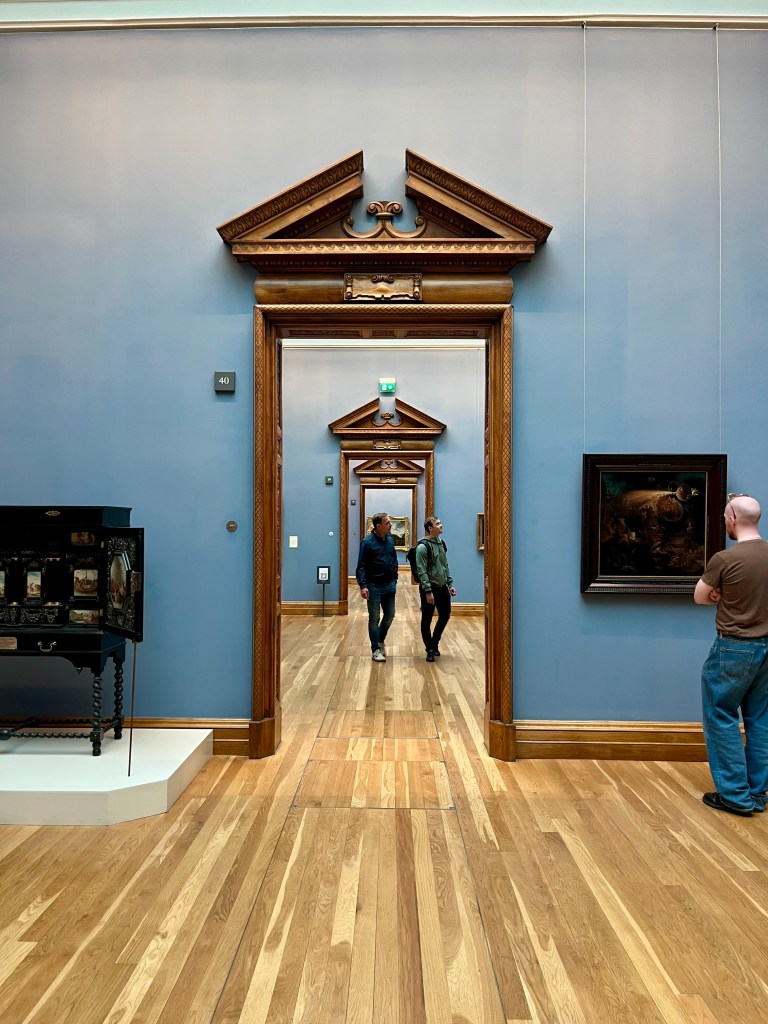
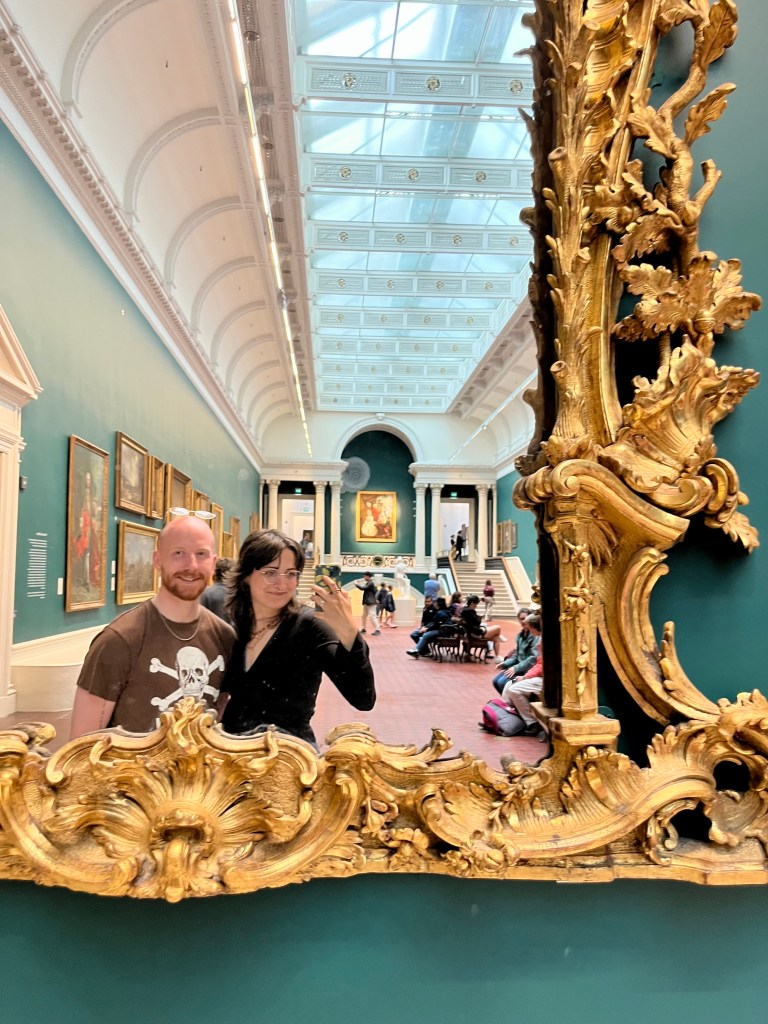
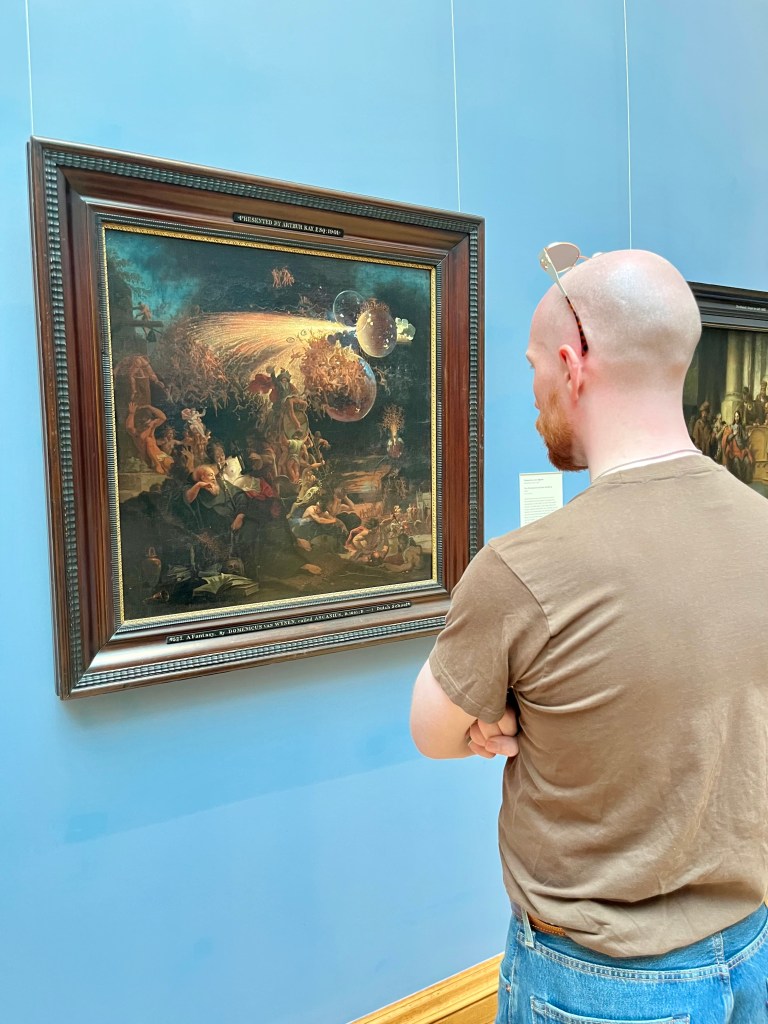
After viewing this work, we wandered around the museum, and my partner found he adored the paintings depicting deep emotion and peril, particularly those surrounding British colonization of Ireland, as well as the works of Italian Baroque artists who often painted biblical stories and mythology.
Viking Splash Tour
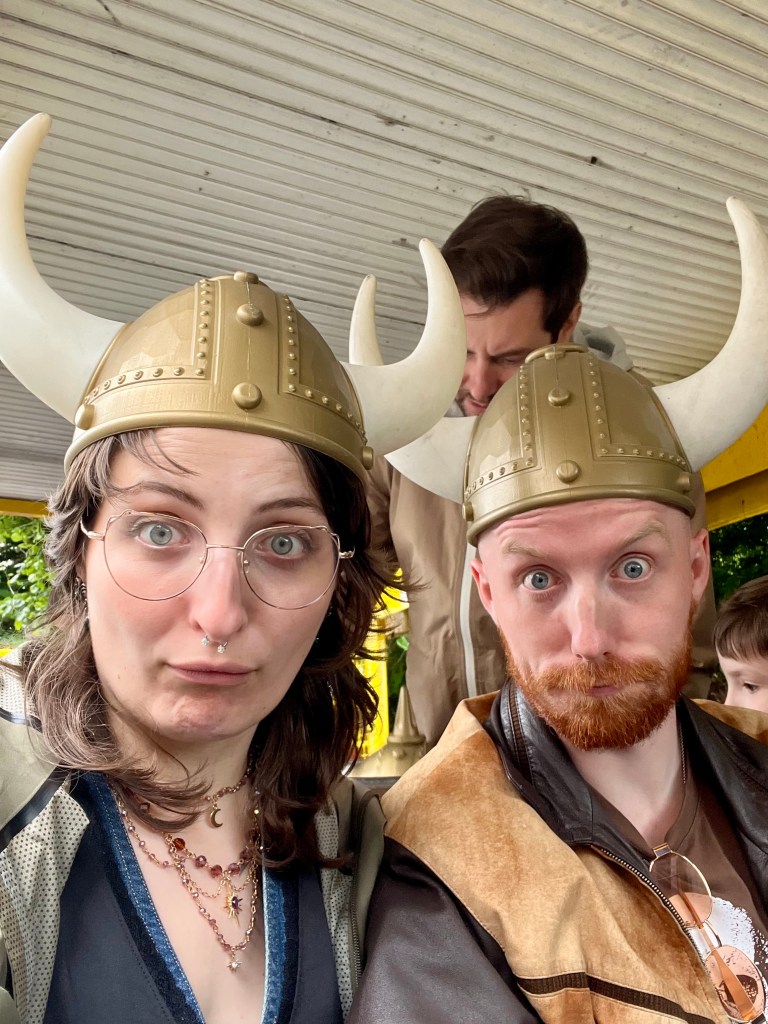
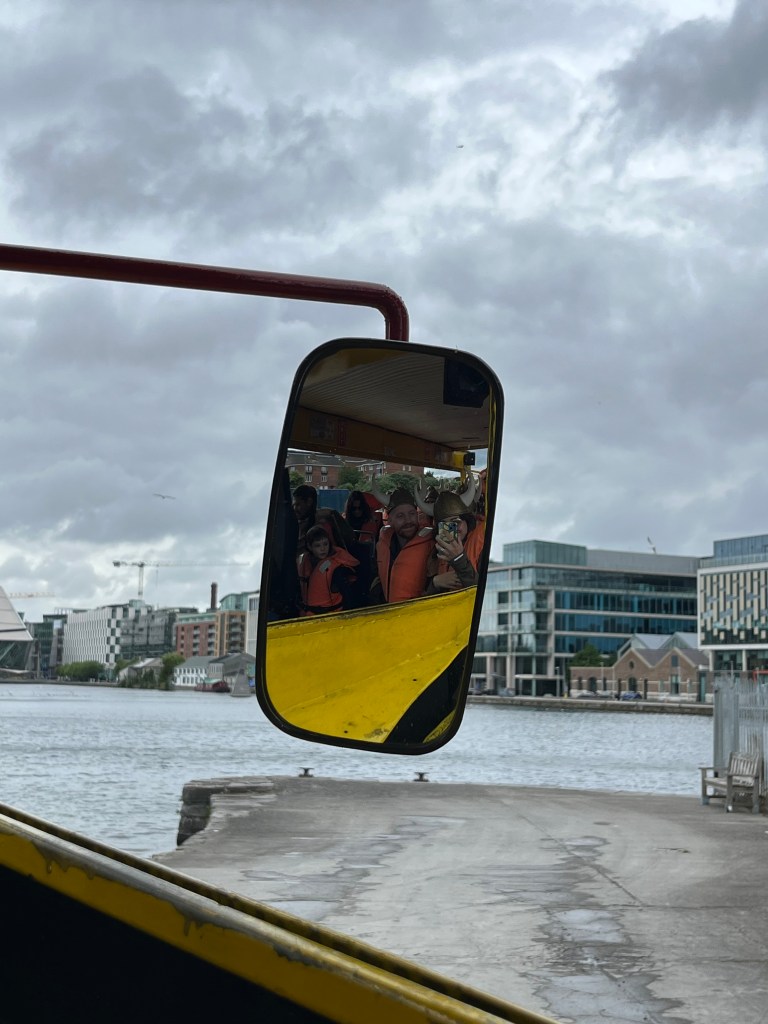
After the National Gallery, we headed to our extremely touristy activity, the Viking Splash Tour. Yelling at tourists, wearing the horn helmets (although historically inaccurate), and riding in a WWII Land Rover used on D-Day (cool), all this made the tour cool even before it began. The tour, of course, included the large SPLASH into the Liffey River, showing the duality of these great vehicles. The tour guide was entertaining and high-spirited, and the history focused on Dublin and Irish history through the Viking perspective. Here we learned that Skerries was named by the Vikings, with the original term Skere meaning “rocky shore” or “island”. It was fascinating to learn how much of Irish culture and history overlaps with the Vikings and Scandinavian traditions. Truly the best way to end our tour in Dublin.
Ardgillan Castle: Ghosts and Galleries
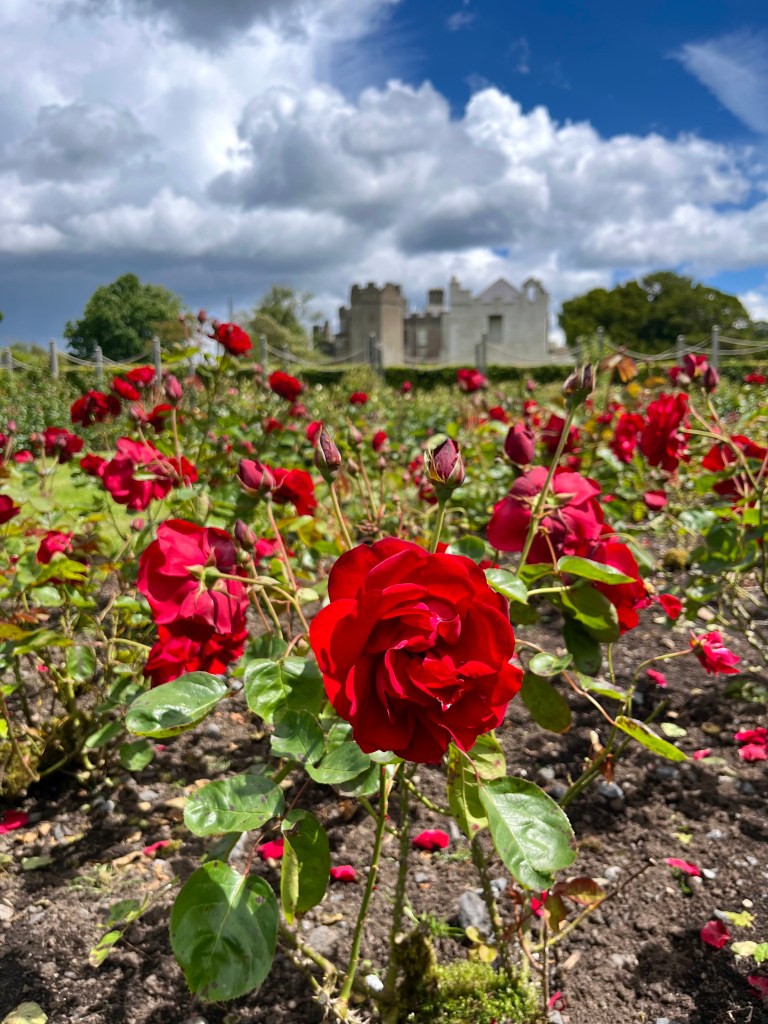
No trip to Ireland is complete without a trip to a castle, and for Skerries, that is Ardgillan Castle. This castle, or estate, dates back to the 18th century, was built by Robert Taylor, and now functions as a museum and art gallery. The true draw of Ardgillan is the vast gardens, forest, and seaside view from the estate. Unbeknownst to us, we also discovered multiple ghost stories associated with Ardgillan.
The first ghost rumored to haunt the castle is that of Reverend Henry Edward Taylor, who died of a heart attack there in 1852. As he died, he fell from his chair and dropped his bible, and people have since cited seeing ‘Uncle Ned’ wandering the halls searching for his beloved scripture book. Strange occurrences involving moving furniture and doors, along with spooky experiences among staff, have given rise to many rumors and legends.
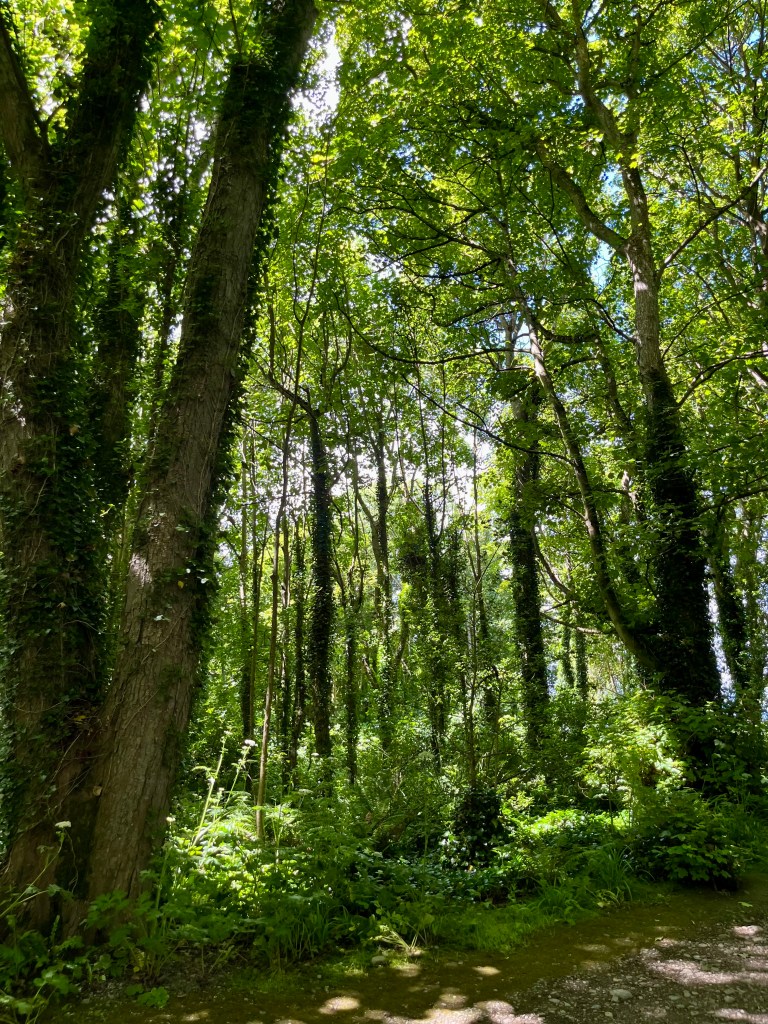
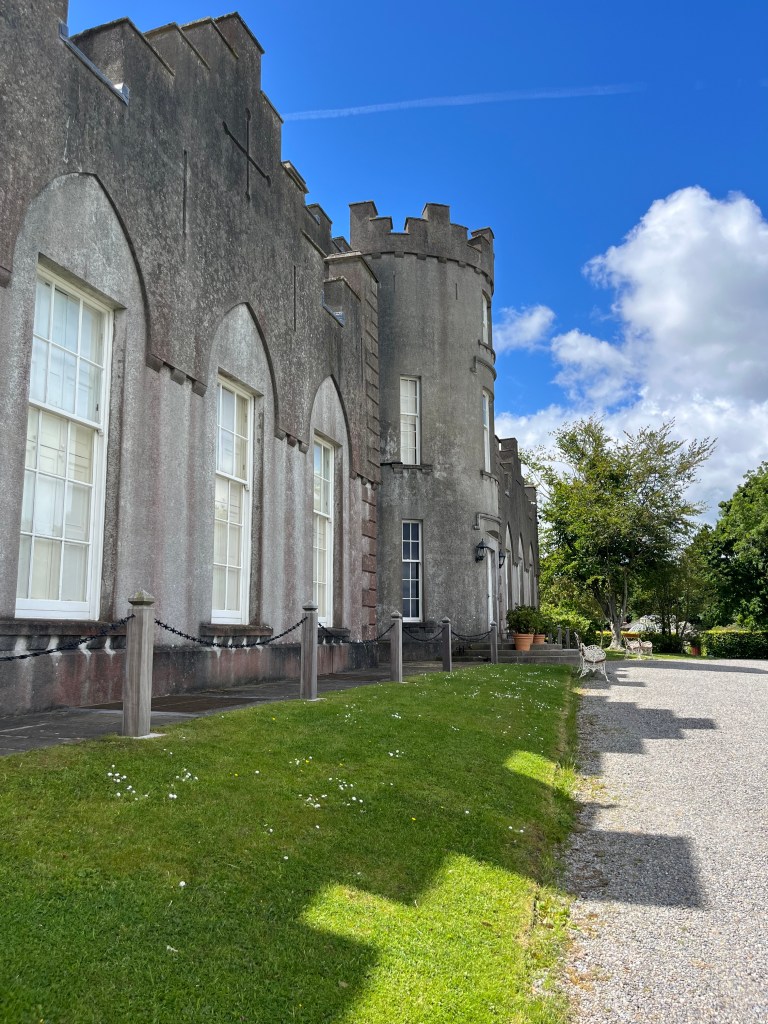
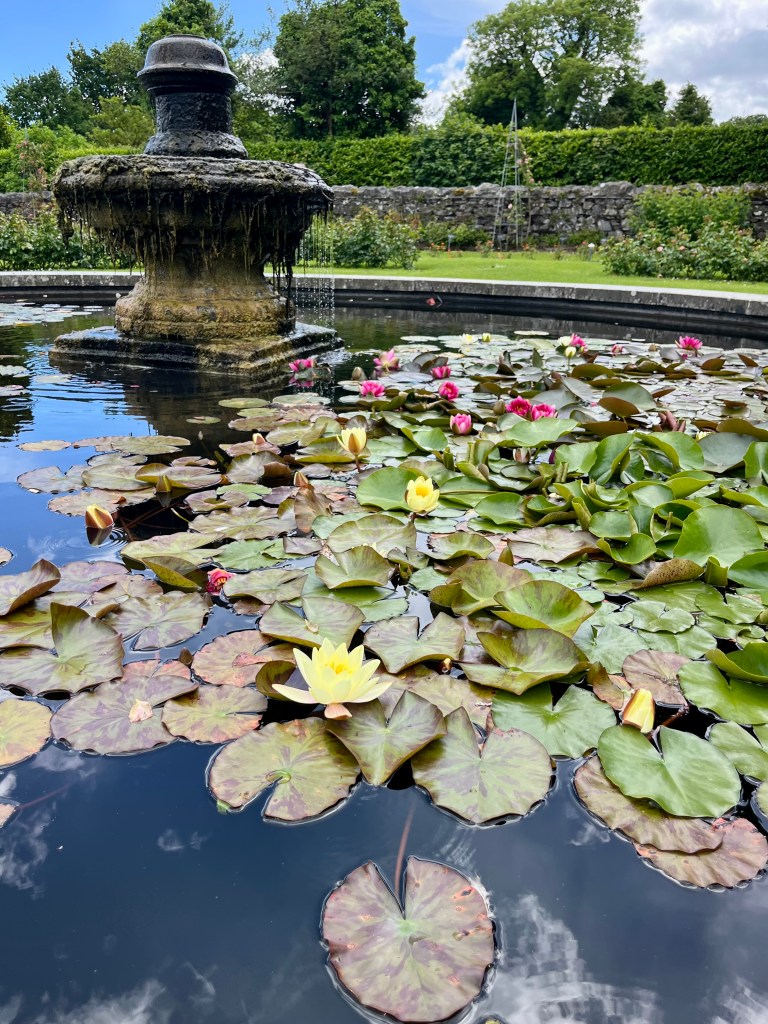
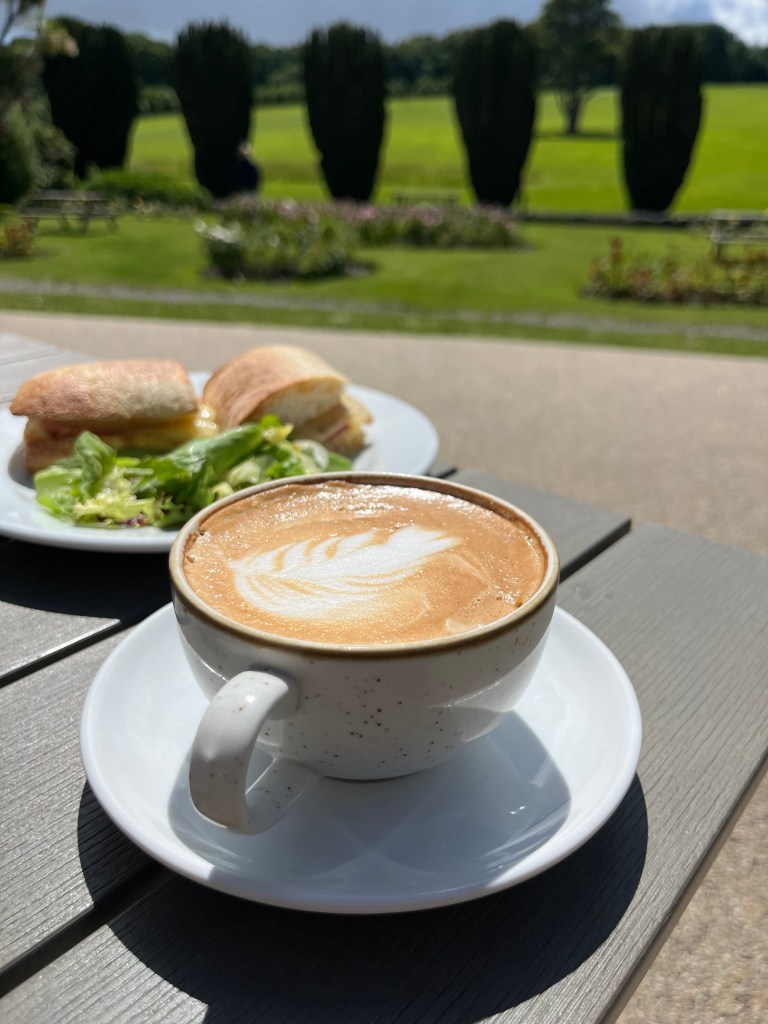
We spent a long time wandering in nature before trekking down again, including going over a haunted bridge, or the ‘Lady’s Stairs Bridge,’ where the spirit of Lady Louisa Langford of the old estate is rumored to linger. Legend says that while Louisa’s husband was out hunting, she decided to go for a swim despite warnings of dangerous tides. She used the bridge to gain access to the sea, and to this day, there have been sightings of a woman, often in a white dress or wedding gown, standing on the bridge or on the shore below.
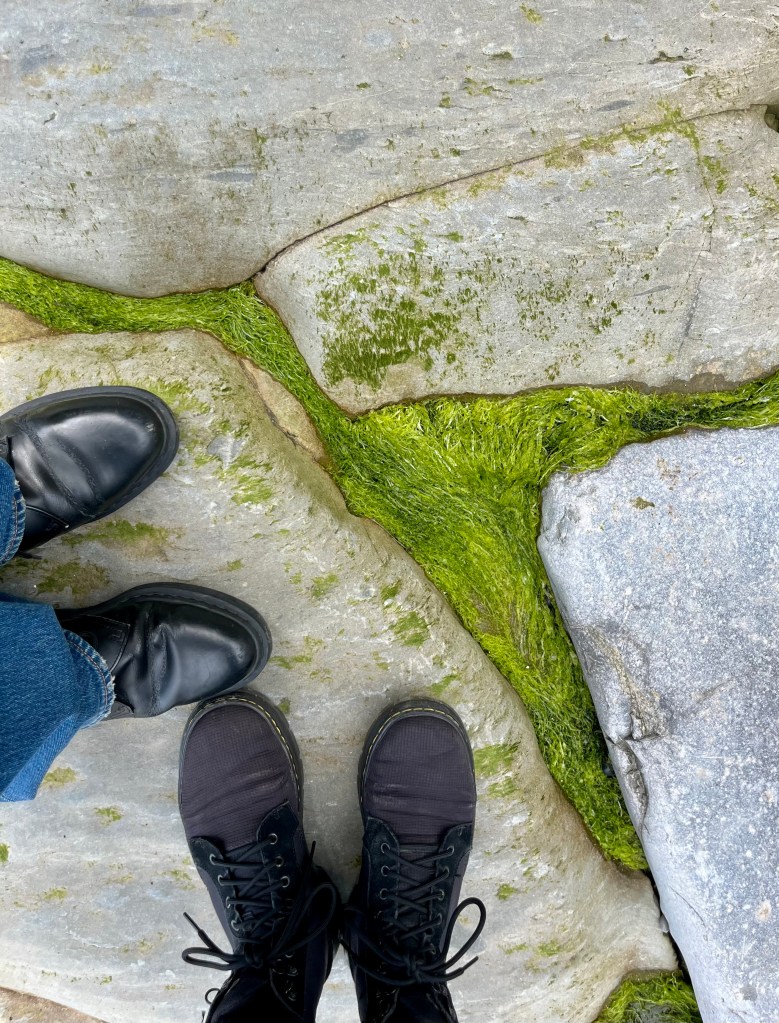
With our Skerries trip concluded and us returning home to Amsterdam, I reflected on everything we had done and experienced. I was blown away by the fascinating, unique history Skerries and Fingal had to offer, and I would recommend it as a fabulous, peaceful day trip anytime. I cannot wait to go back sometime soon to keep exploring (and hopefully finding more ghosts in castles).


Leave a Reply